STEAM | The Value of Creativity
In an era where technological advancements are happening at an unprecedented pace, our future prosperity depends on its ability to harness the power of innovation and creativity. At the heart of our vision lies S T E A M learning, an approach that combines the disciplines of Science, Technology, Engineering, Arts, and Mathematics to foster a new generation of creative thinkers, innovators, makers, and problem-solvers. By integrating these five pillars, S T E A M learning in the community encourages learners to think critically, collaborate effectively, and develop a solutions-focused mindset that can tackle the complex challenges of an ever-evolving world.
By fostering a mindset of innovation and problem-solving, community led S T E A M learning empowers people to become the entrepreneurs and job creators of the future, injecting vitality into local economies.
In a world where automation and artificial intelligence are transforming the job market, S T E A M learning holds the key to equipping our future workforce with the skills, adaptability, and entrepreneurial spirit needed to thrive in an increasingly competitive global economy. By embracing S T E A M, we can unlock the full potential of our young peoples minds, drive innovation, and build stronger more prosperous and resilient communities.

STEAM | The Art of the Possible
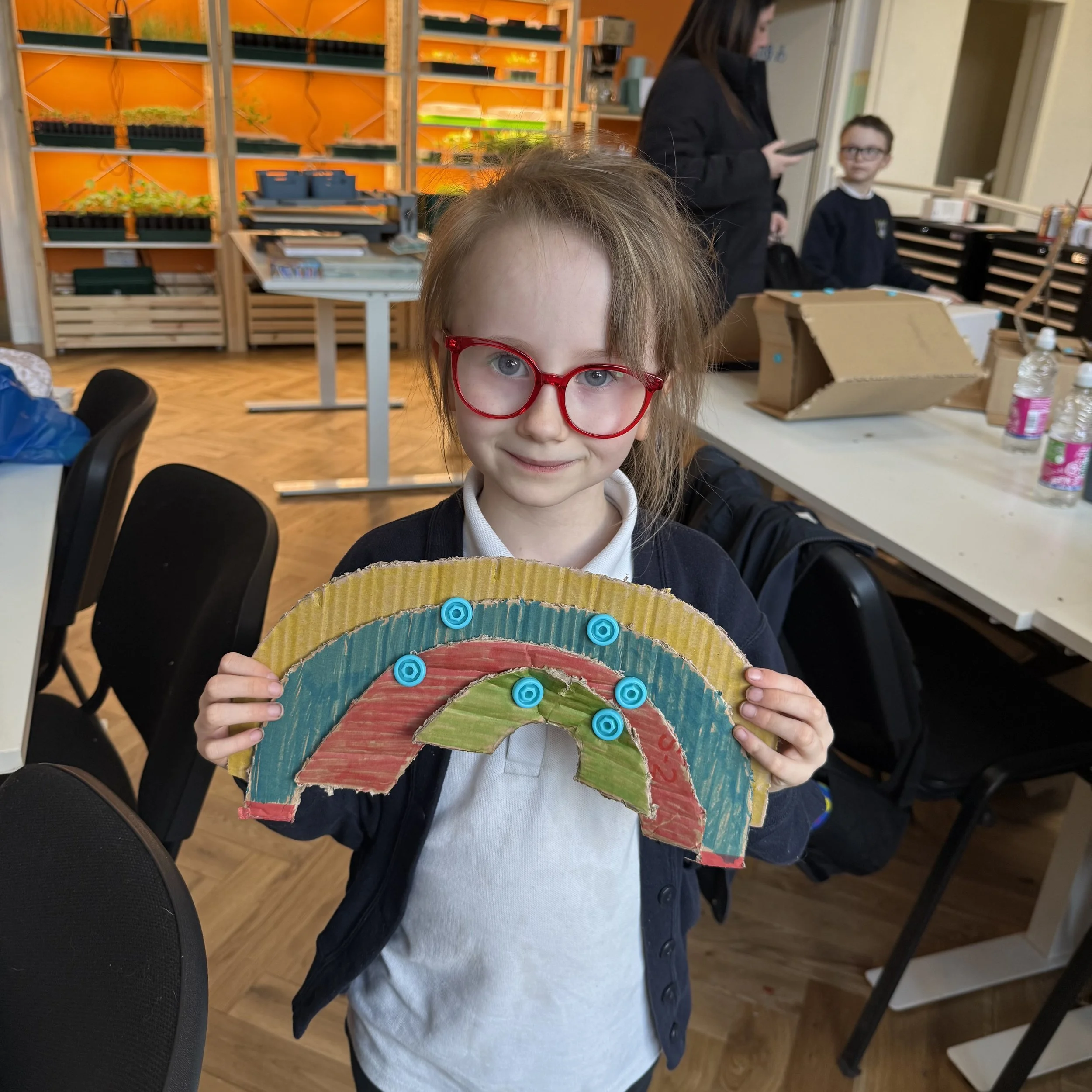
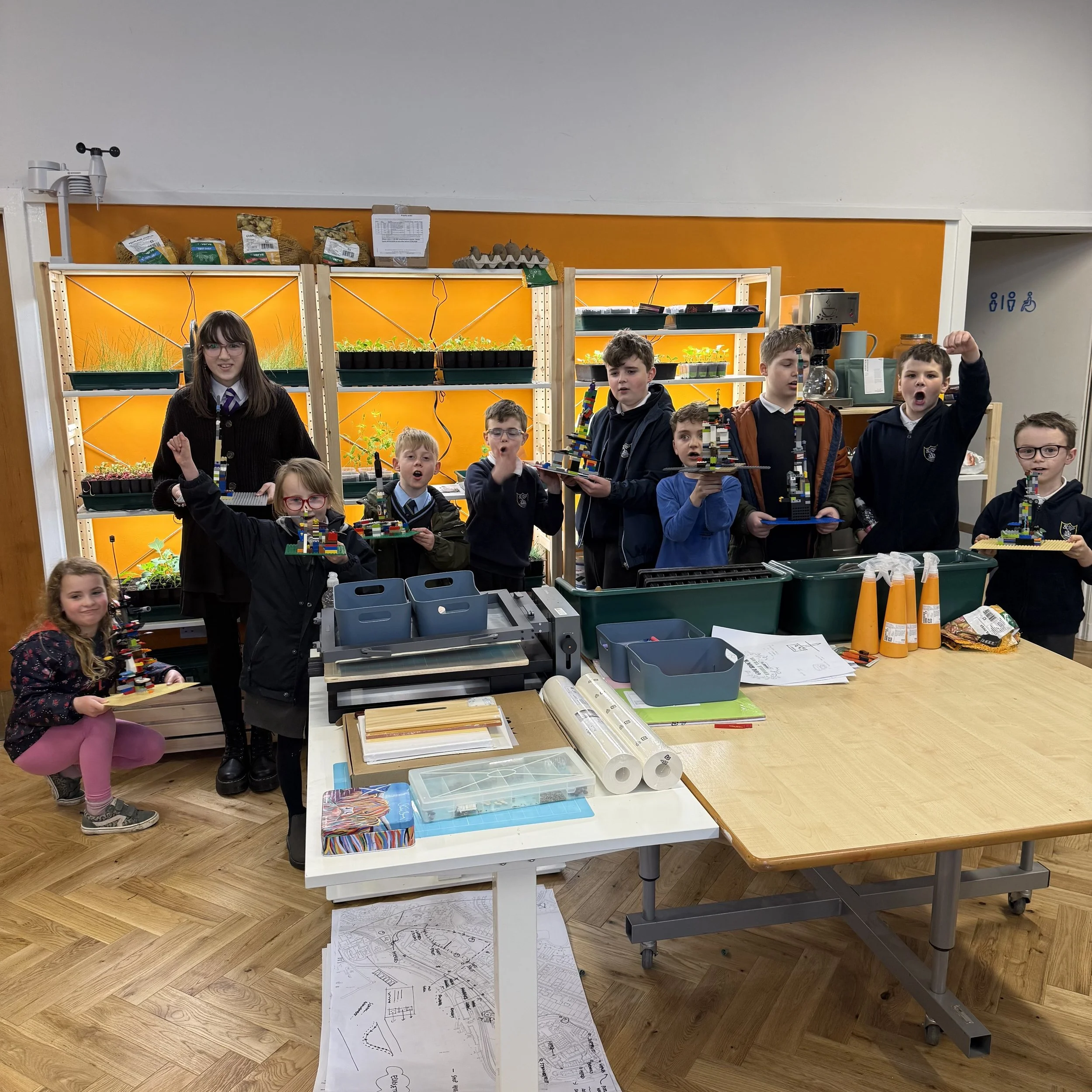
Creative Regeneration sees extracurricular STEAM learning as an important part of the wider regeneration of Inverclyde. By connecting STEAM with creativity, heritage, digital production, making and the physical environment, young people can experience learning in ways that are informal, collaborative and directly connected to their communities and future opportunities. Through practical, creative and project-based activity, extracurricular STEAM learning can provide young people with opportunities to explore ideas, experiment, make, design, problem-solve and develop confidence in applying STEAM knowledge to real-world challenges.
The approach is particularly relevant in Inverclyde, where there is an opportunity to build stronger connections between schools, communities, creative practitioners, local businesses and the emerging industries and technologies that will shape the future workforce. Providing accessible STEAM experiences outside the classroom can help young people understand the relevance of STEAM to everyday life, develop confidence in their own abilities and broaden their awareness of potential education and career pathways.
The development of creative STEAM learning also supports a range of transferable skills that are valuable across education, employment and wider life. These include:
Creative thinking and innovation – generating ideas, experimenting and developing new approaches to challenges.
Problem solving and decision making – investigating problems, testing solutions and learning from failure.
Communication – explaining ideas, presenting work and communicating technical concepts to different audiences.
Collaboration and teamwork – working with others to design, build and deliver projects.
Planning and organisation – taking an idea from initial concept through experimentation and development to a completed outcome.
Adaptability and resilience – responding to unexpected results, changing approaches and developing confidence through practical learning.
Digital and information literacy – using digital tools, research, data and emerging technologies to investigate and create.
Practical and technical skills – developing familiarity with tools, materials, fabrication, electronics, coding, digital production and other STEAM applications.
These skills align with wider evidence about the capabilities young people will require to participate successfully in a changing economy. However, Creative Regeneration's approach is not simply about preparing young people for employment. It is about creating engaging, accessible and inspiring learning experiences that enable young people to develop curiosity, confidence, creativity and agency.
A particular strength of extracurricular STEM learning is its ability to connect learning with place. In Inverclyde, this could include projects responding to the area's industrial, maritime and engineering heritage; exploring renewable energy and climate change; developing digital technologies; designing and making objects; investigating the built environment; or using creative technologies to interpret local history and culture.
This approach can also help address barriers to participation in STEAM by providing opportunities for young people who may not see themselves represented within traditional STEAM pathways. Informal learning environments can offer different routes into STEAM, particularly where activities combine technical learning with art, design, storytelling, making and creative practice.
For Creative Regeneration, the objective is therefore to establish a local ecosystem of extracurricular STEAM learning, bringing together creative practitioners, educators, community organisations, businesses and young people. The ambition is to create opportunities for young people to learn by doing, develop transferable skills, meet practitioners and professionals, and see how STEAM can be applied creatively to real challenges within their own community.
The proposed programme would complement rather than duplicate formal education. Activities would provide additional opportunities for exploration, experimentation and applied learning, with participants able to develop projects at their own pace and pursue areas of particular interest.
Ultimately, the programme seeks to demonstrate that STEAM is not only a pathway into particular occupations but a creative way of understanding and shaping the world. By embedding extracurricular STEAM learning within Creative Regeneration's wider programme, Inverclyde can provide young people with opportunities to develop the skills, confidence and imagination needed to participate actively in the future of their communities and economy.
STEAM | Addressing the challenge
The high rates of youth unemployment and economic inactivity that exist in the UK are deeply problematic. Failure to enter or gain experience of the labour market during early adulthood has long-term scarring effects on an individual’s work trajectory, earnings and well-being. High levels of non-participation also have profound impacts for the economy, public services and wider society.
Employers consistently report that they struggle to find young people with the skills they need, indicating a disconnect between their requirements and the education and training system. Although there is a growing consensus among both employers and educators about which skills are essential for employment, these skills are not foregrounded within curriculum, accountability or assessment systems for most young people in the UK. As a result, young people from different backgrounds have unequal opportunities to develop them, diminishing their chances in the labour market.
Efforts to address these inequalities have been hampered by a lack of robust evidence about the most effective ways of supporting young people to develop essential employment skills in different contexts, including formal learning, extra-curricular activities, work experience, youth services and employment programmes.
“Most people say that it is the intellect which makes a great scientist. They are wrong: it is character.”
— Albert Einstein