The Orchard Project
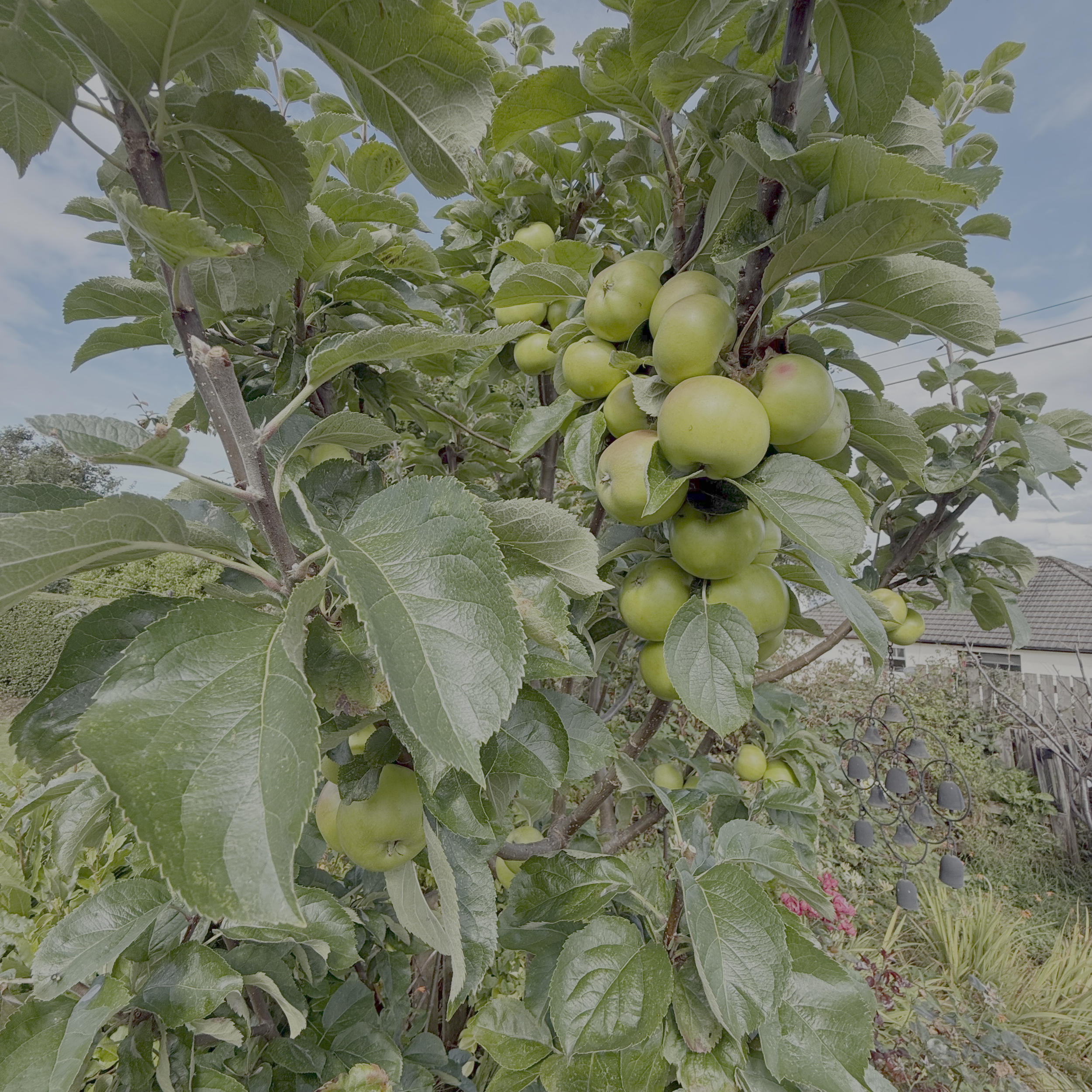
Orchards offer profound ecological, economic, and health benefits by serving as sustainable foundations for both local communities and global ecosystems.
Fruit and nut trees play a critical role in environmental preservation by stabilising soil, preventing erosion, and filtering airborne pollutants to improve local air quality.
Orchards also function as thriving biodiversity hubs, providing essential habitats for a vast array of wildlife, particularly vital pollinators like bees and butterflies.
Economically, they can support community growing by creating seasonal and year-round access to fresh, nutrient-dense produce. Additionally, the presence of orchards enhances the aesthetic value of rural and suburban landscapes, augmenting green spaces that promote mental well-being and foster a deeper human connection to sustainable food production.
Establishing Heritage Orchards
Creative Regeneration working with the partners, The Tree Council and SPEN Scottish Power & Energy Networks are working on the regeneration of the historic Gourock Park (formerly Darroch Park) to re-establish 300 fruit tree’s in various orchard sites along park edges and on embankment areas.
We have also been working with local secondary schools, St Columba’s High School, Clydeview Academy and Inverclyde Academy to establish orchards in their grounds.
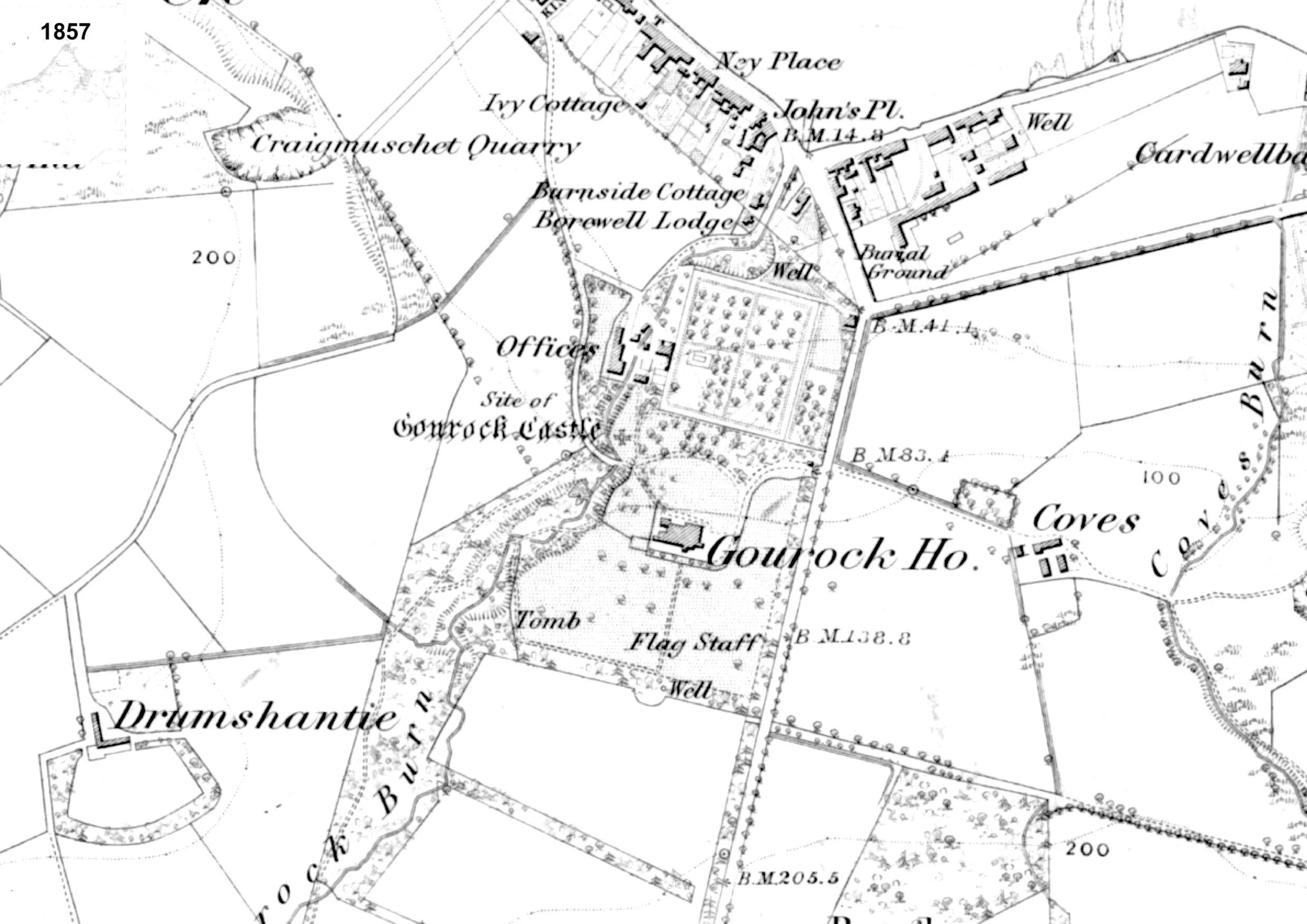
Map 1857
The Legend of the Stolen Apple
The story goes that in the mid-18th century, before Duncan Darroch left Scotland as a young man to make his fortune in the West Indies, he was a poor local boy (often described as an Inverkip herd-boy). One day, he snuck into the high-walled gardens of Gourock House—the estate that sat in what is now Gourock Park—to steal apples from the orchard.
He was caught in the act and chased out by the estate's furious head gardener. As he fled over the wall, the young boy boldly shouted back a defiant promise: he told the gardener that he would return one day and buy the entire estate, orchard and all.
The Reality
Remarkably, Darroch kept his word. Born in Jura, Scotland in 1751, he traveled to Jamaica, where he amassed a massive fortune as a ‘merchant’.
In the Caribbean sugar economy, ‘merchants’ often acted as factors, suppliers, and slave traders, or directly managed properties as attorneys before purchasing their own land. By the early 1780s, Darroch had accumulated a vast fortune from the exploitation of enslaved labour. This liquidity allowed him to return to Scotland and purchase the entire Barony of Gourock in 1784 from the cash-strapped Stewart family for a massive sum.
He built Gourock House (now demolished) and his family became central figures in the area, eventually gifting the land that became Gourock Park (formerly Darroch Park) to the town. To this day the family crypt remains in the park.
Heritage Interpretation
Creative Regeneration worked with Old Gourock and Ashton Congregation to uncover history maps of the gardens and presented these at a community day in the park to help people understand the development of the town, kirk and park whilst also organising anature trail for young people to learn about biodiversity.
Our research and interpretation continues with work to look at signage within the park to explain it’s development, associations with transatlantic slavery, sugar & colonialism.
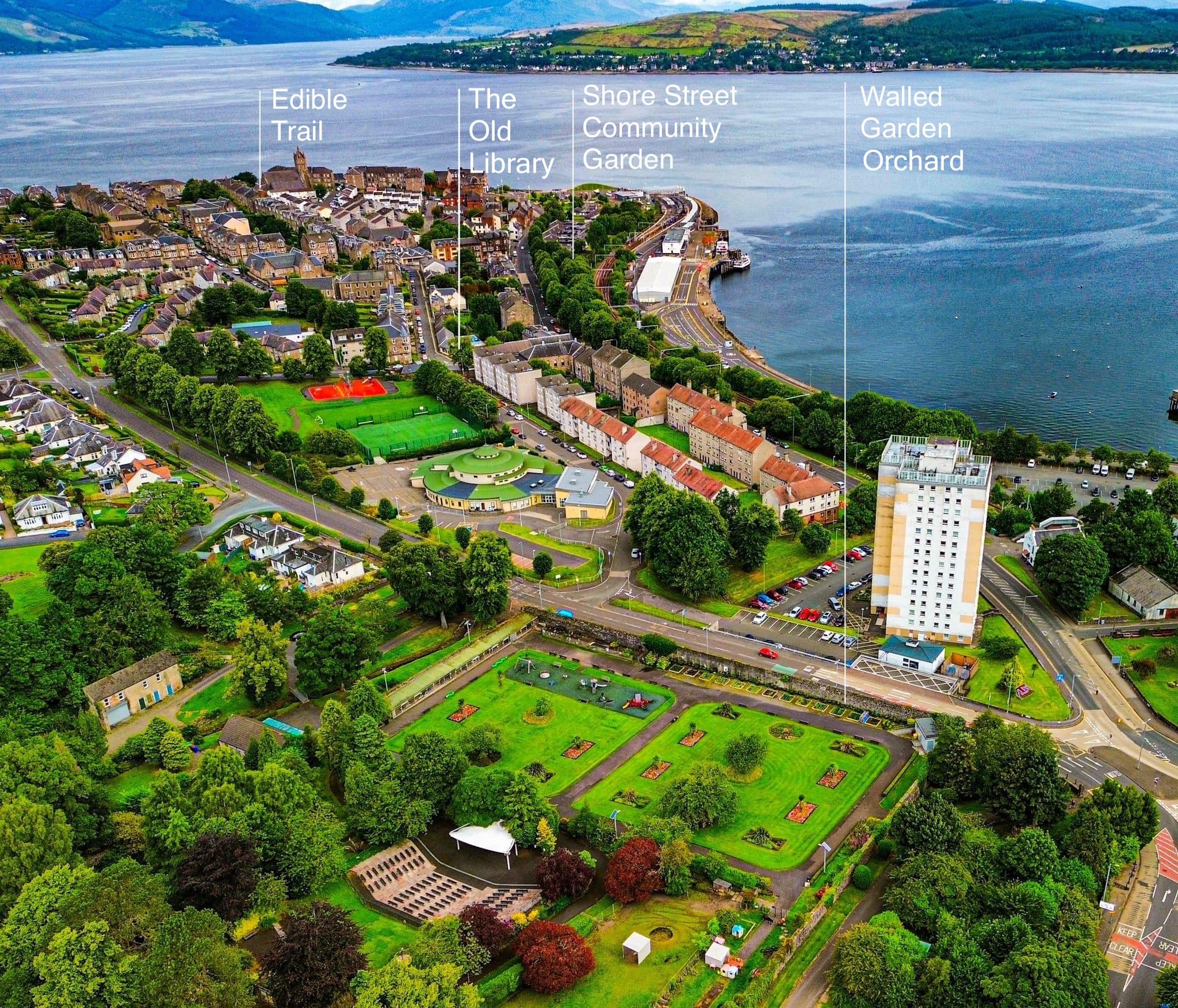
Community Growing within and around Gourock Park