Victoria Harbour
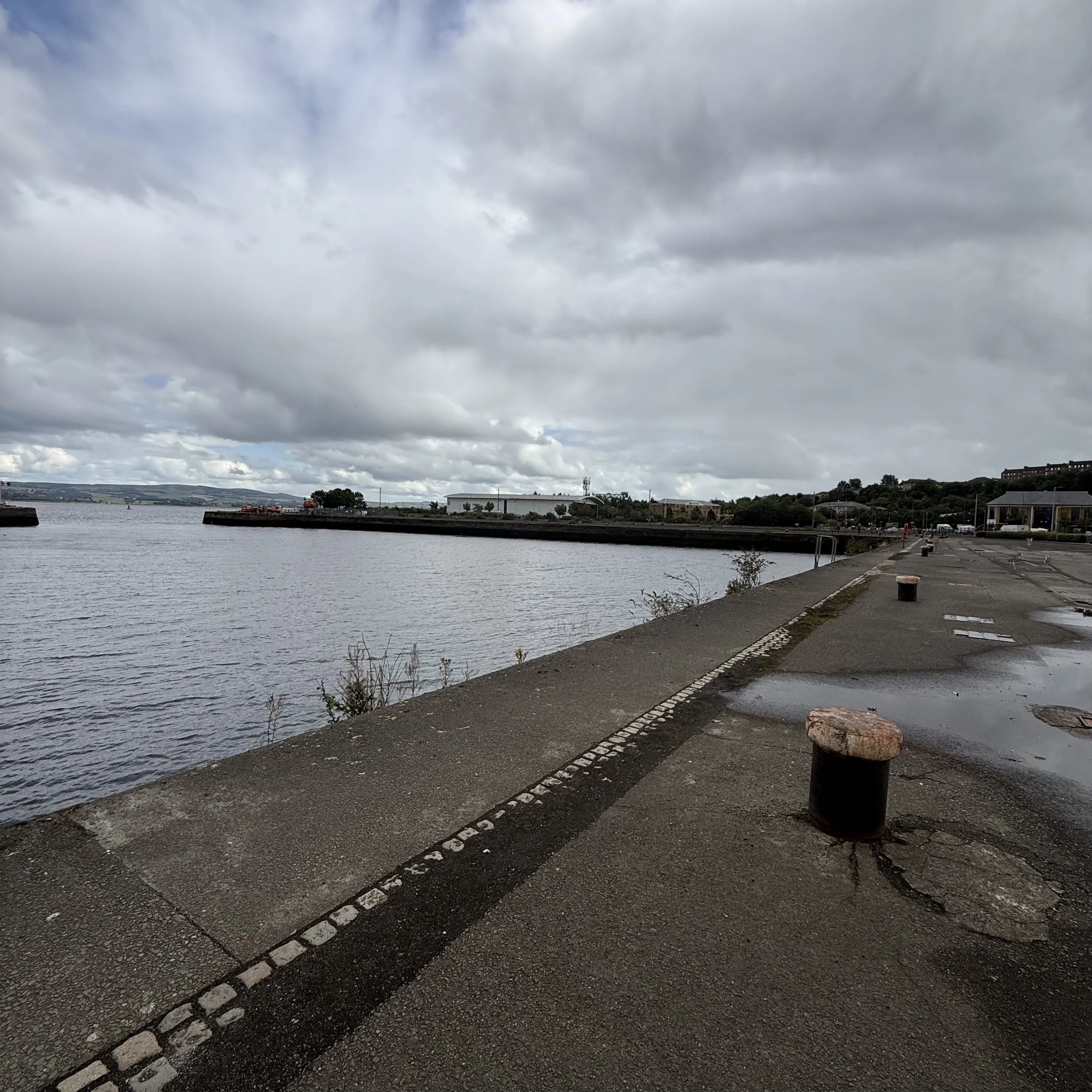
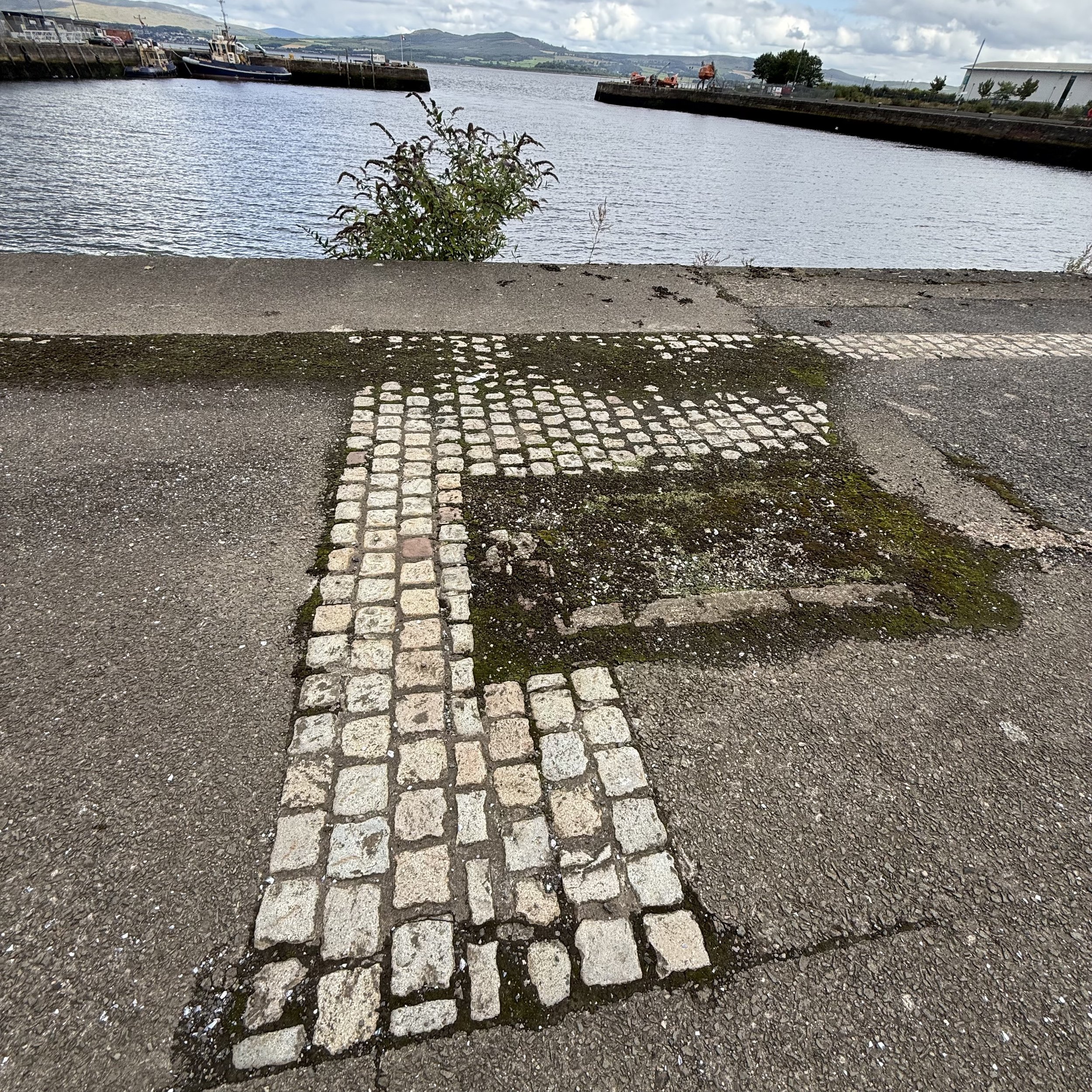
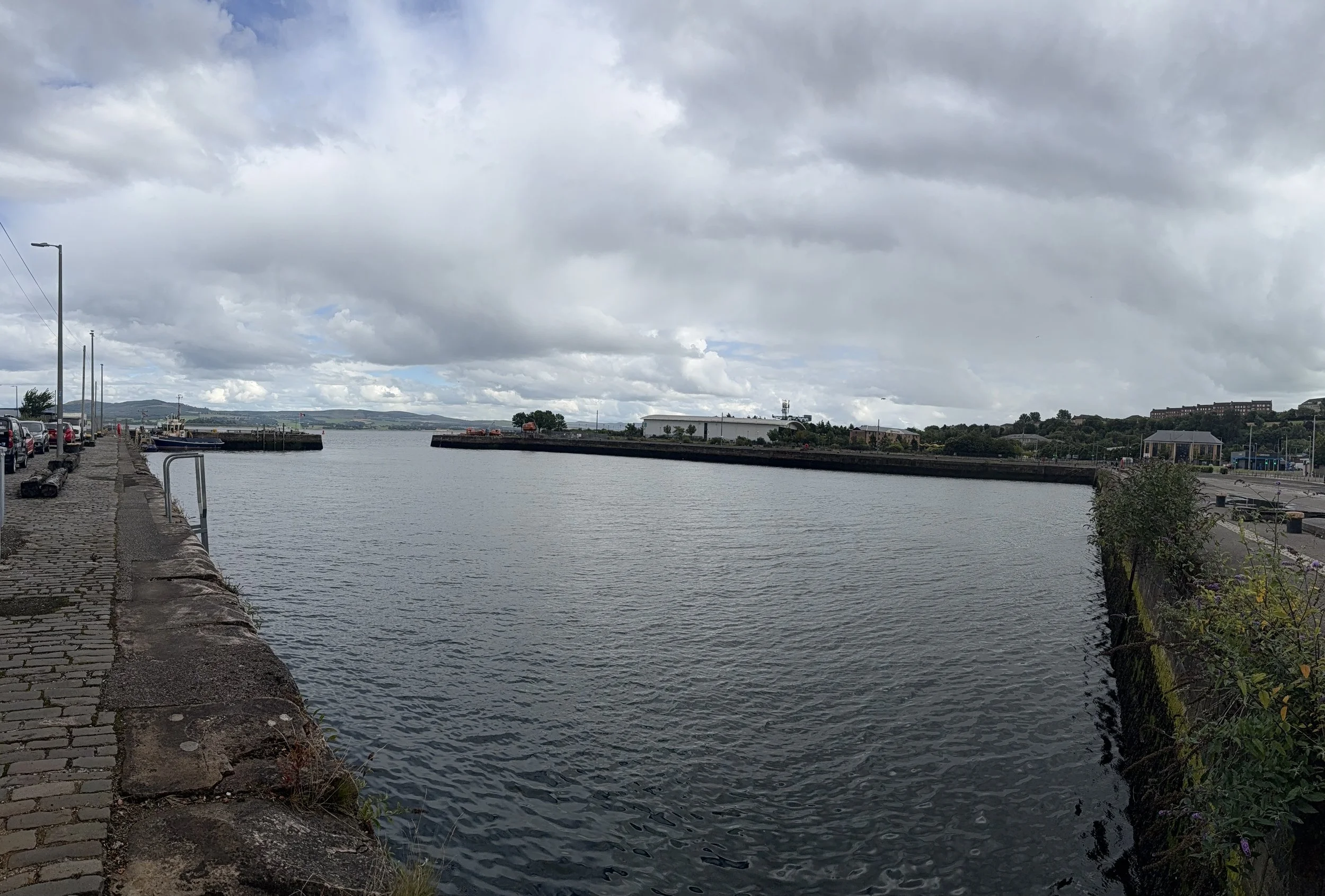
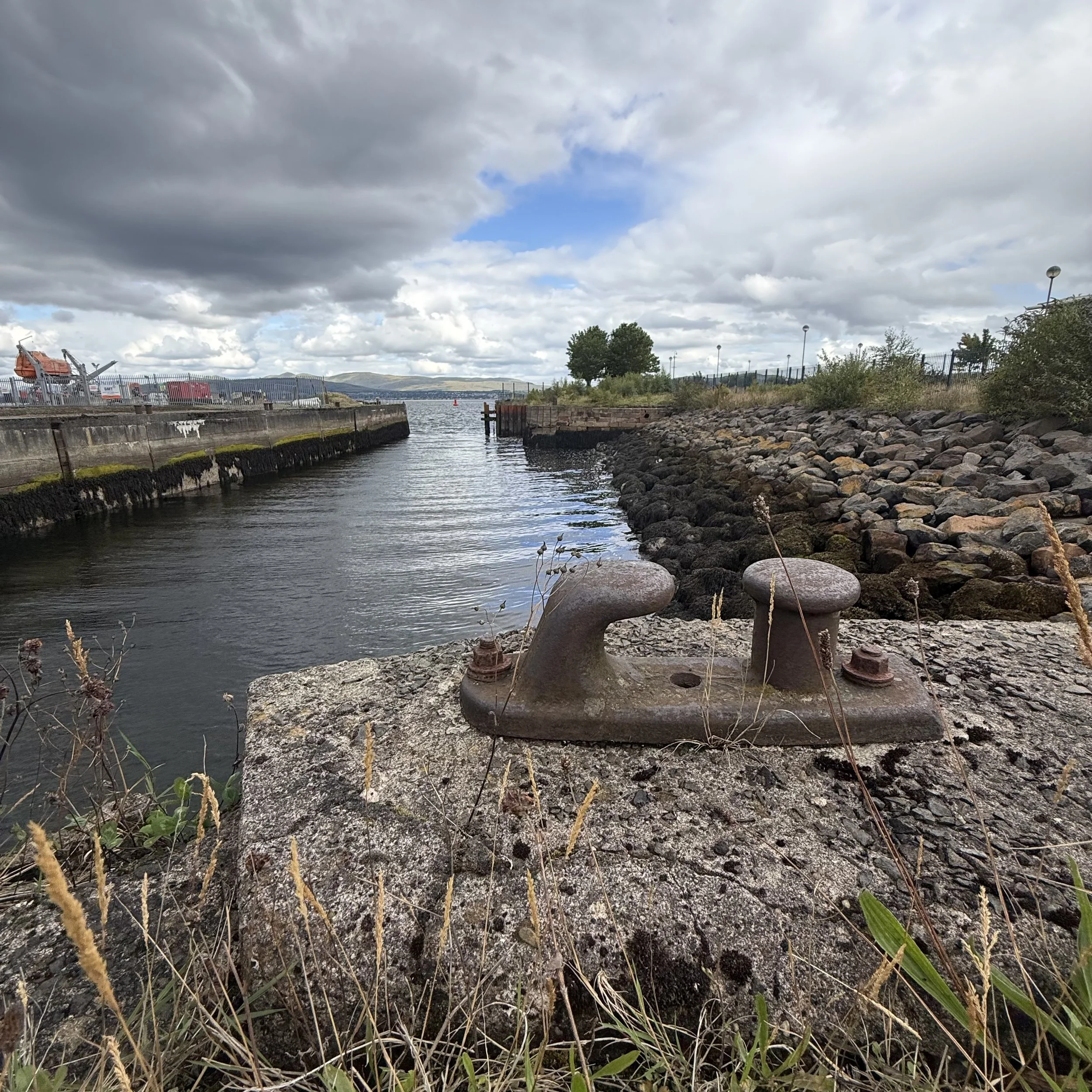
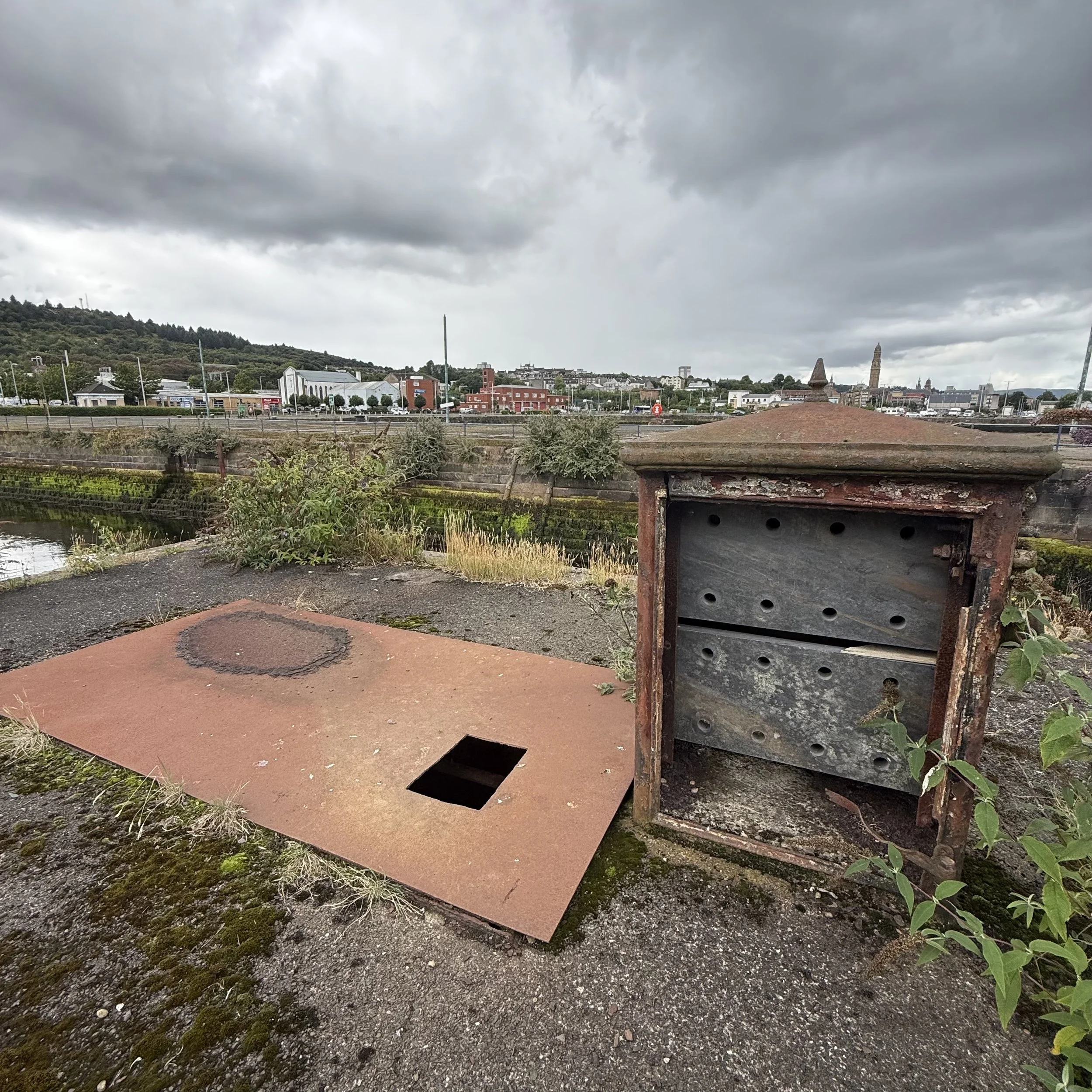
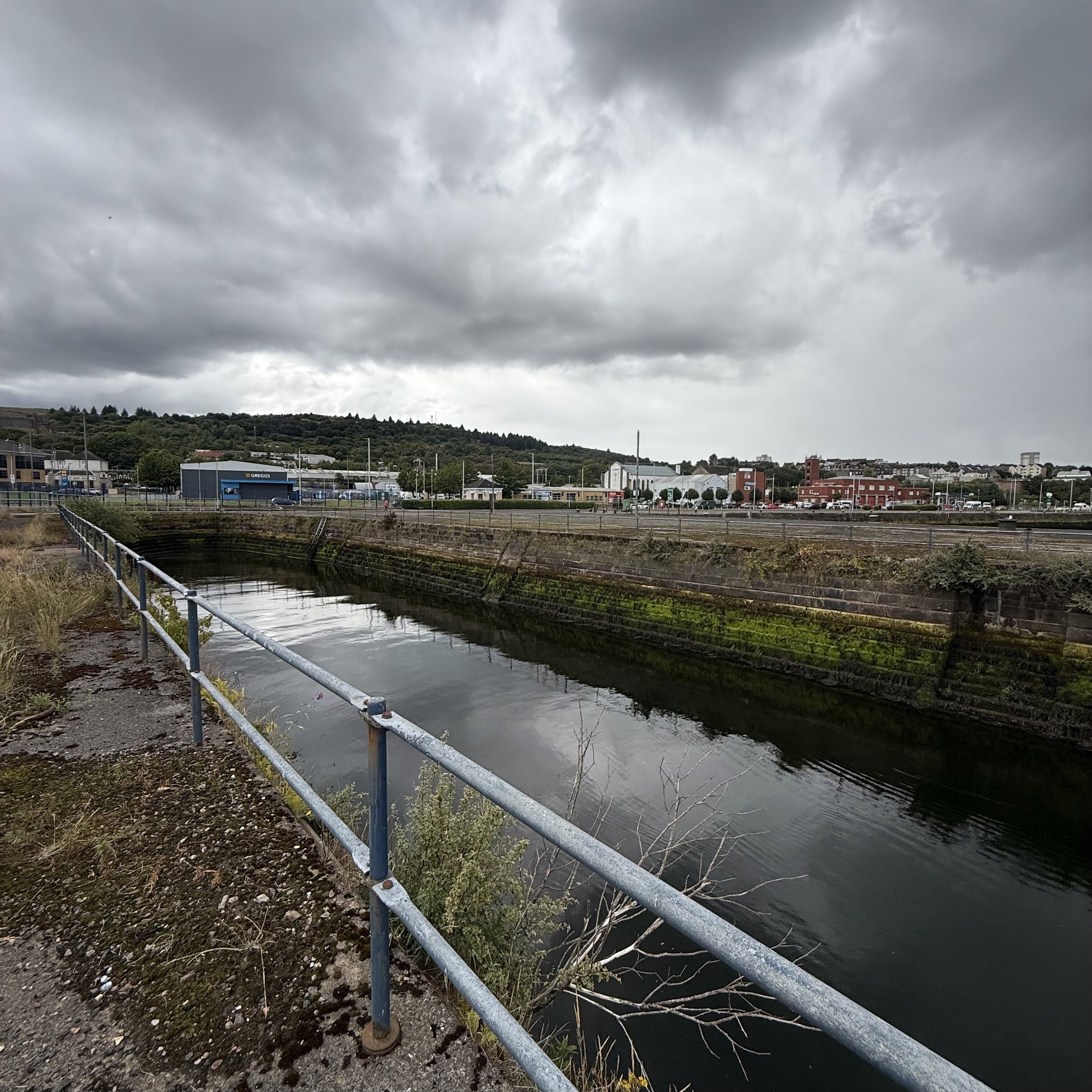
Steeped in maritime history, Victoria Harbour stands as a prominent testament to Greenock’s industrial legacy on the south bank of the Firth of Clyde. Excavated in 1846 and completed in 1850 under the guidance of engineer Joseph Locke, the five-and-a-half-acre harbour was built to satisfy the intense demand for shipping and fitting-out facilities during the height of the Industrial Revolution.
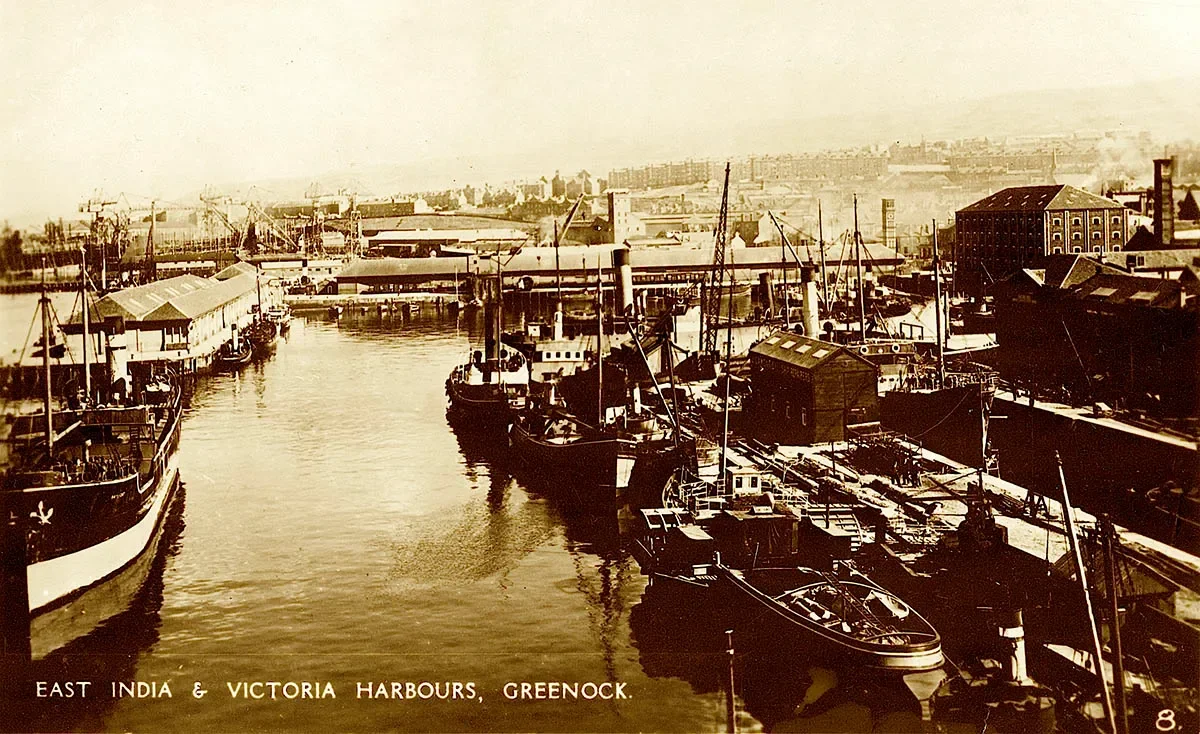
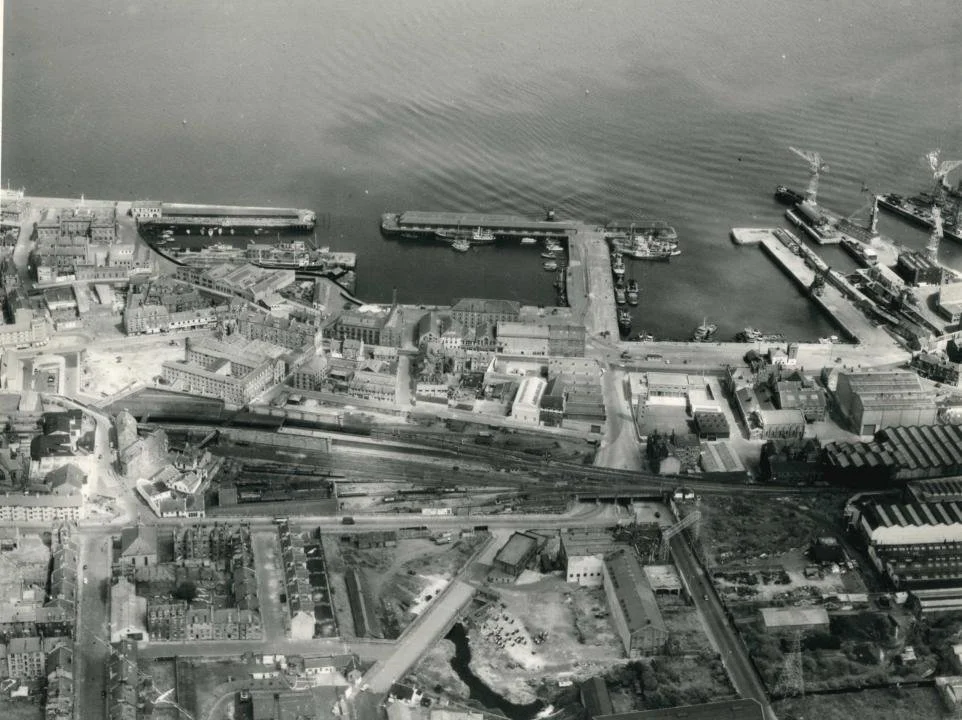
By the 1960’s, the harbour was still a bustling hive of activity although much reduced from previous decades, with the famously massive 75-ton steam crane having been dismantled early in the decade.
Located next to the East India Harbour, it buzzed with a dense skyline of machinery and competing tugboat fleets from the Clyde Shipping Company.
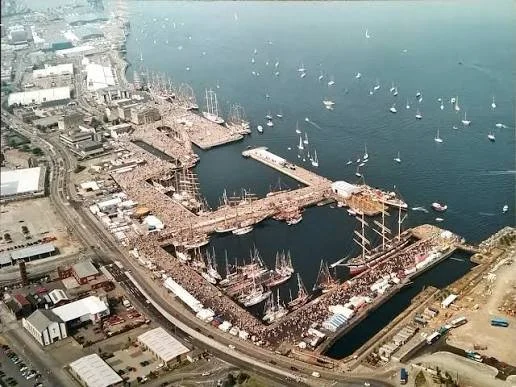
The 1999 Tall Ships event in Greenock was a major success, bringing thousands of visitors to the town and creating a strong sense of civic pride and celebration. The event demonstrated Greenock’s capacity to host large-scale international events and showcased its distinctive maritime heritage to a wider audience.
It also generated significant local economic activity through increased visitor spending and provided a powerful reminder of the town’s historic relationship with the sea, reinforcing the potential of its waterfront and heritage assets as drivers for regeneration and tourism.
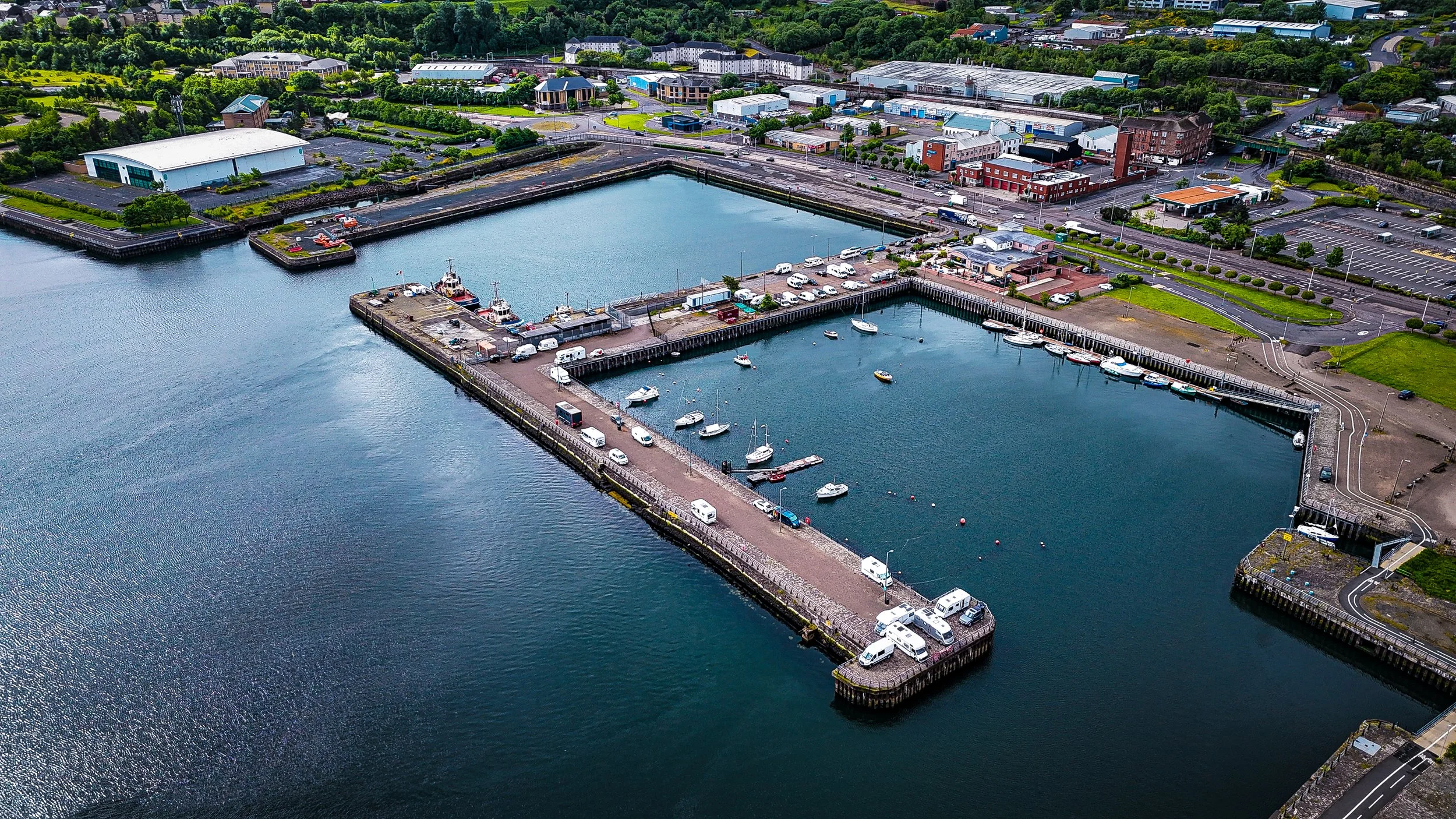
Today, while the towering cranes and dense shipyards have given way to time, Victoria Harbour retains its deep connections to the sea. It serves as a modern base for Clyde Marine Services, continuing its centuries-old tradition of safeguarding Scotland's west coast maritime traffic.
Creative Regeneration
We are looking at the feasibility of bringing the harbour area back into use, providing a range of opportunities for locals, visitors and celebrating it’s heritage.
Initial work includes research into the various adaptations, uses and infilling over the years, utility and topographical surveys and community engagement to help direct potential new uses.
This might include things such as:
Serviced spaces for popup food & drink trucks to help facilitate
Events / performances / harbour & heritage boat festivals
Interpretation / Signage / Audio Trail to explain the heritage
Heritage / Training Vessel Visits
Space for heritage skills training programme
Space for community / event use
Quayside Cinema
Twinning with a European port that has undergone regeneration
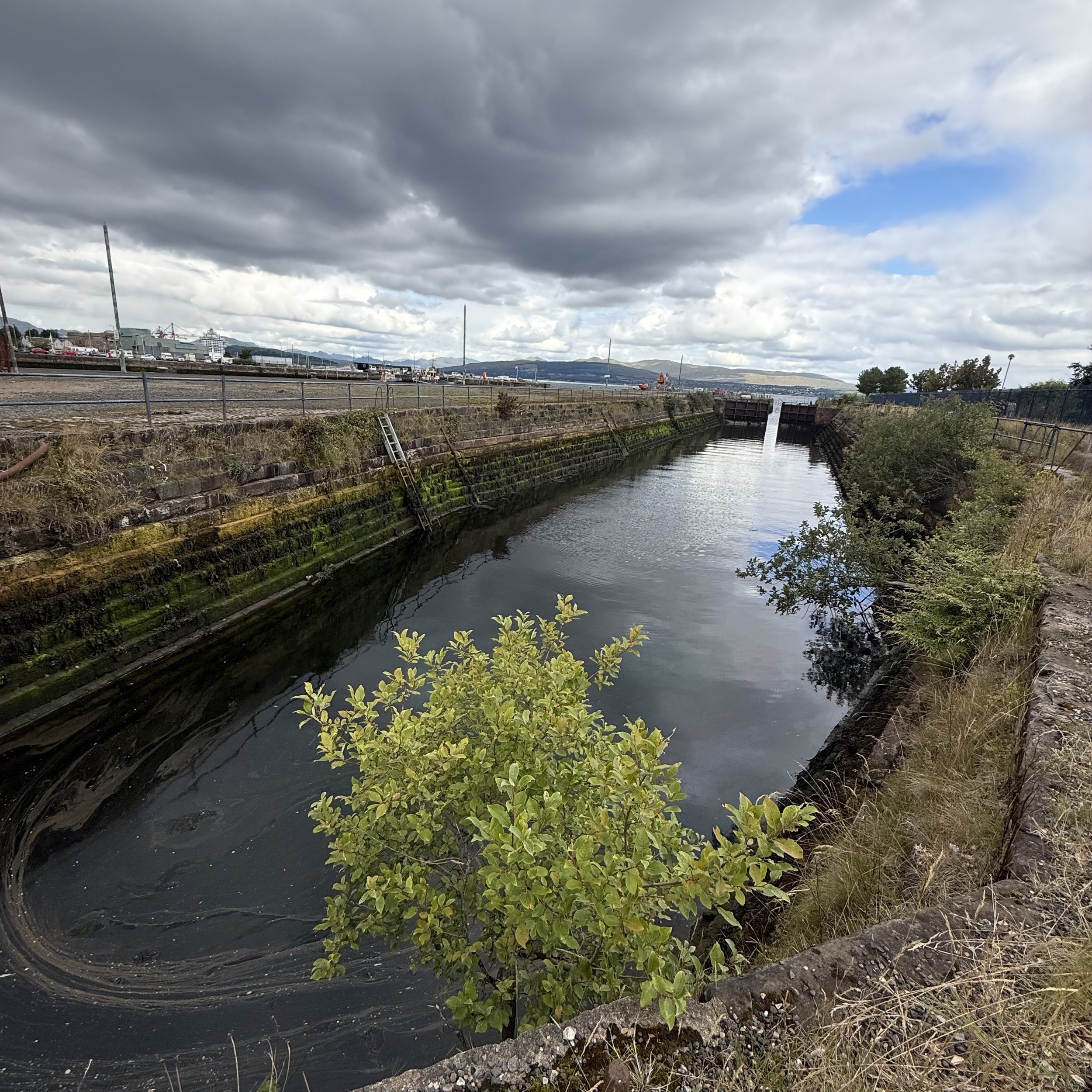
In conjunction with the Victoria Harbour / Quay, we are a looking at how the adjacent old Scotts Dry Dock and East India Harbours might be better utilised to maximise benefits for Greenock and it’s people as part of a wider masterplan to connect with The Beacon & Custom House Quay with heritage led visitor attractions.
Longer term, the dry docks could house a heritage vessel and be a significant visitor attraction.
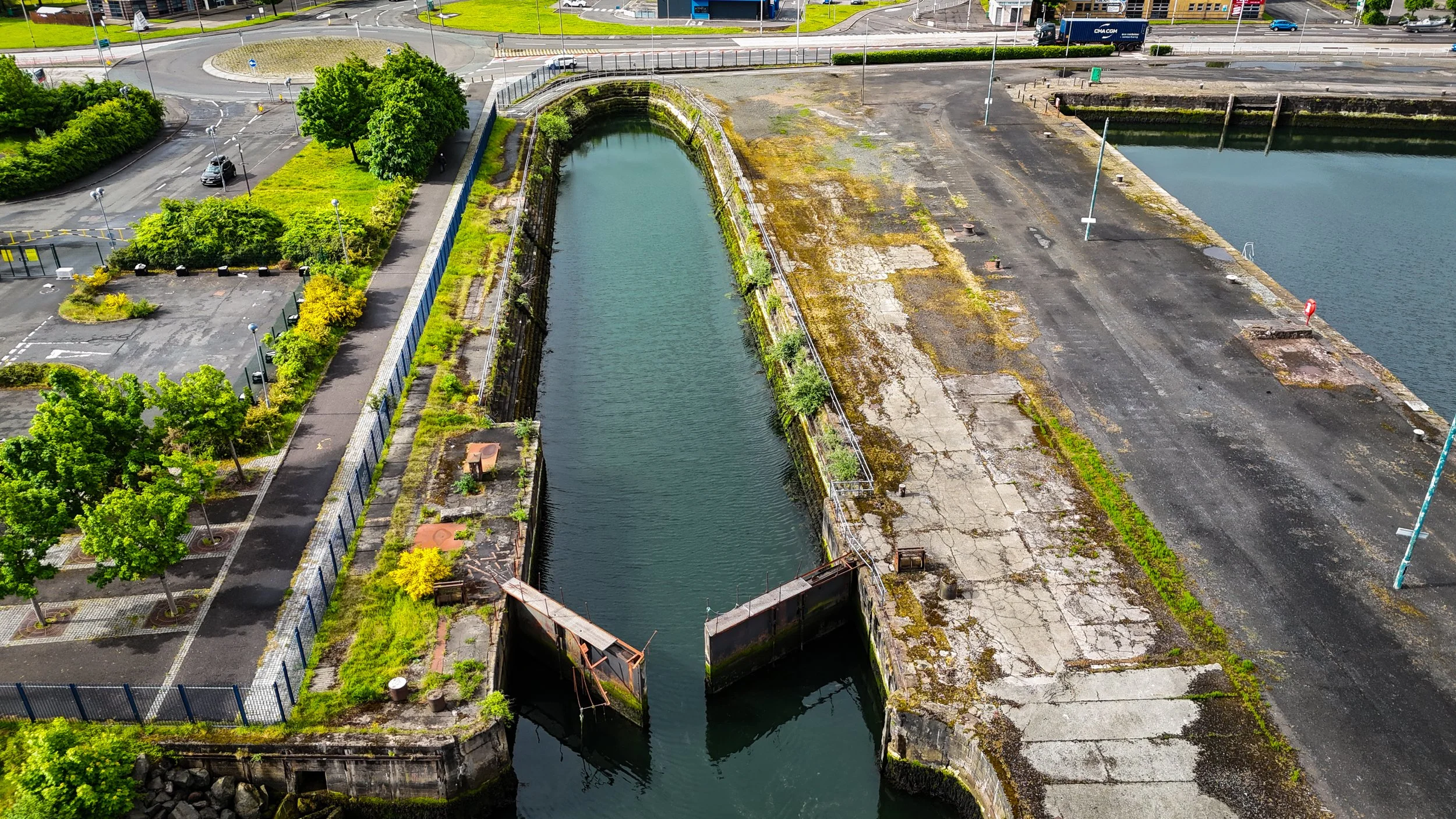
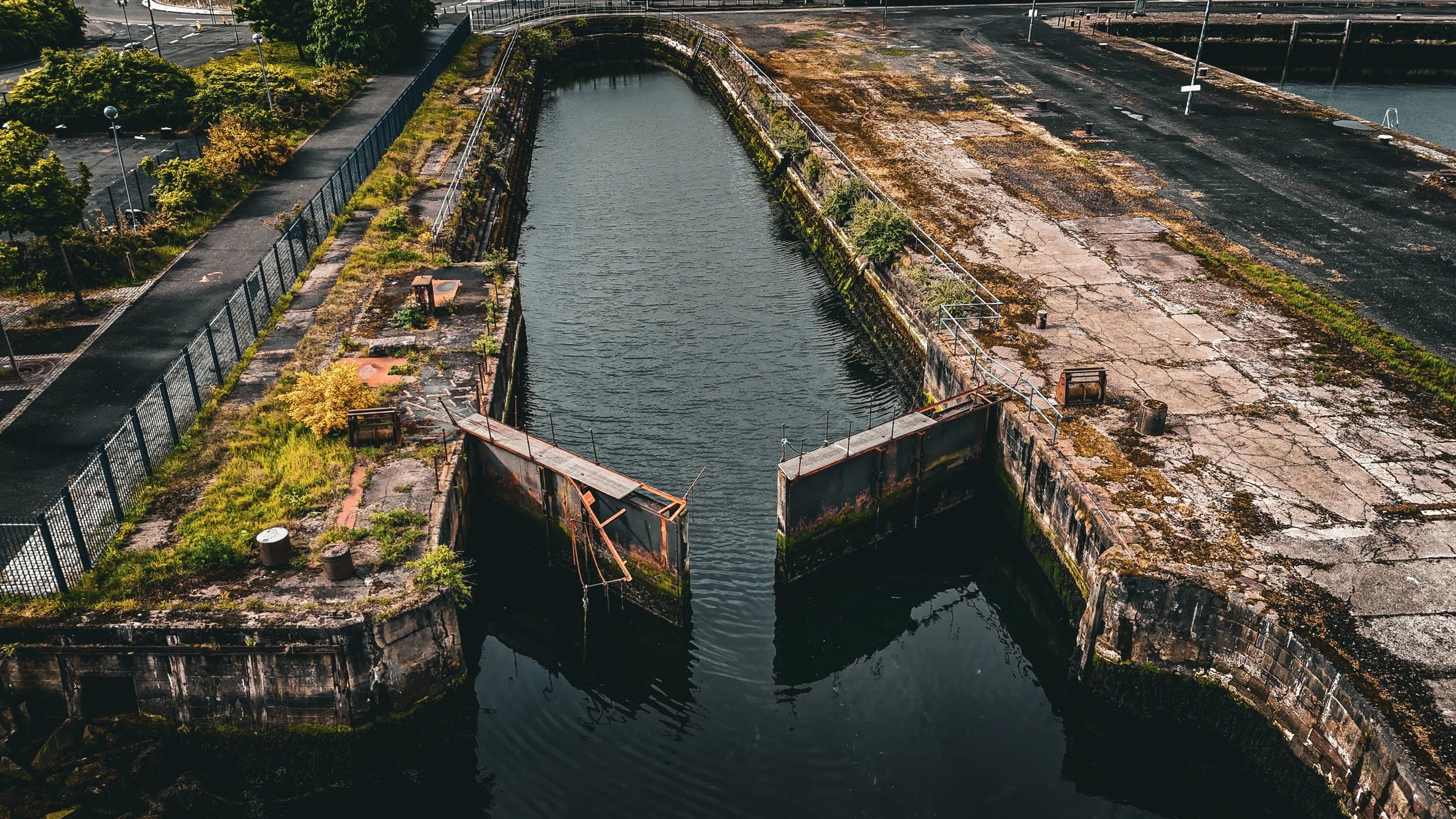
Scotts Dry Dock
Also known as the Submarine Dock. Situated in Cartsdyke, off Rue End Street, the Grade A listed structure is believed by Historic Environment Scotland to be the oldest surviving graving dock structure in Scotland and was built for Steele's shipyard and appears on town maps dating back to 1825.
James Steele was born in Ayr, and started his career building fishing vessels and coasters in Saltcoats. He later joined partnership with John Carswell, and the firm Steele and Carswell moved to Greenock in 1796. It is therefore possible that some form of dry dock dates from this time. In 1816 the Steele and Carswell partnership was dissolved and Steele joined partnership with his sons, Robert and James. In the 1820s the firm began building steam ships, and it is likely that the existing dry dock was built at about this time.
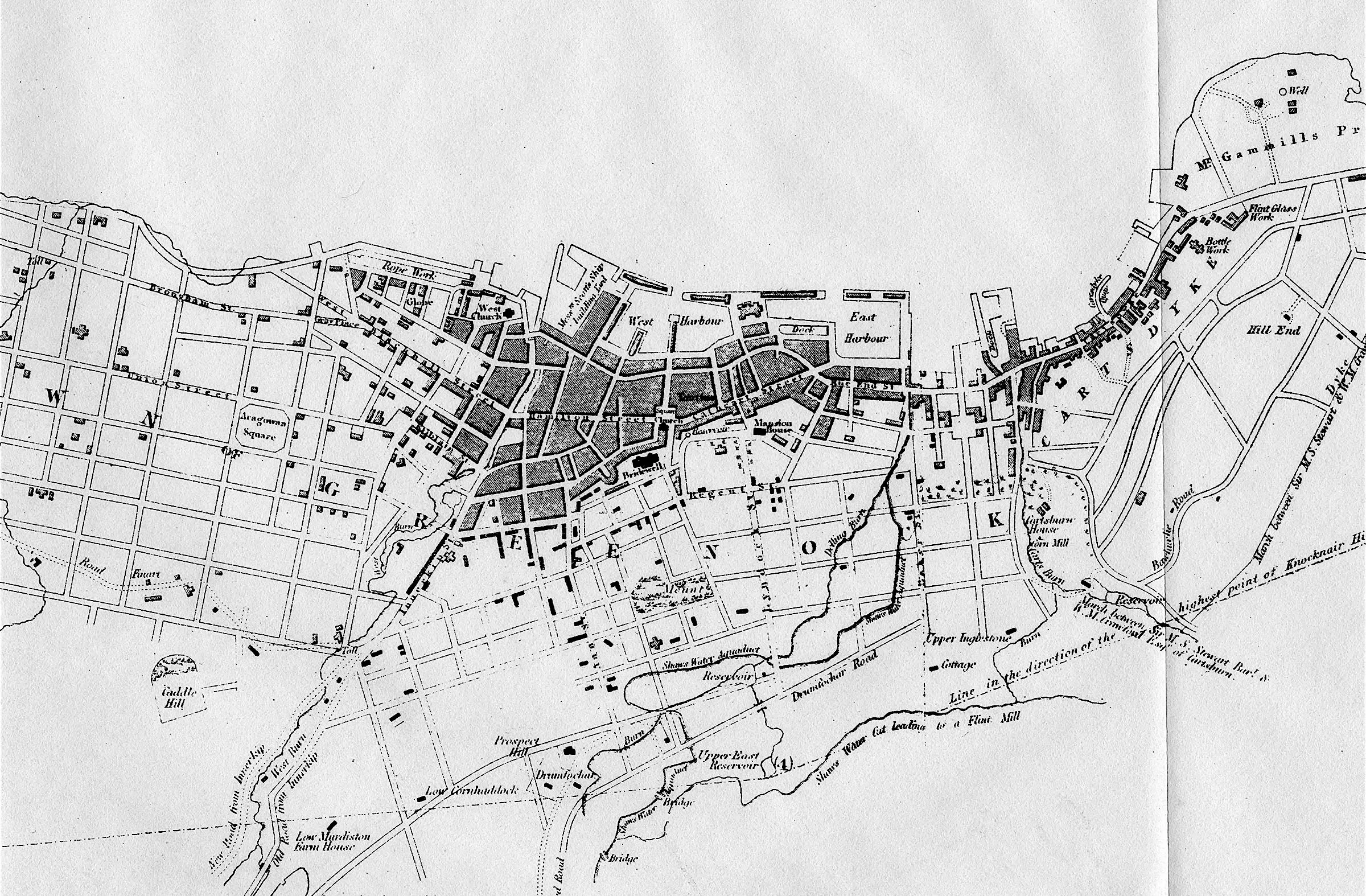
The dry dock and outer basin are shown on John Wood's Town Plan of 1825; the 1838 town plan is more specific, marking the graving dock in 'Mr Steele's Ship Building Yard'. It is interesting to note that the Dry Dock in East India Harbour (now in filled), which was completed in 1823, is marked as 'New Graving Dock' on the 1838 map, which perhaps suggests that Steele's dock was older.
The dock was extended between the publication of the 1st and 2nd edition OS maps, probably when the yard was purchased 1883 by the famous Scottish shipbuilder Scotts Shipbuilding and Engineering Company.
IJohn Scott and Robert Sinclair Scott restructured their business and purchased the adjacent yard of R. Steele & Company. This allowed them to establish the Cartsburn Dockyard, which became highly specialized in building naval boats and steam yachts. John Scott had founded the company, beginning shipbuilding at Greenock in 1711. The Scott family took over the Greenock Foundry in 1790 and C G Scott started building at Cartsdyke Dockyard in 1850 as Scott & Company.