The Tunnels
Inverclyde has several abandoned railway tunnels, bridges and viaducts, unusually most still their tracks still in place. The railway originally formed part of the route connecting Glasgow with Greenock Princes Pier. Passenger boat-train services ceased in 1965, after which rail services to Greenock were concentrated on the alternative route approaching the town along the riverside.
A remaining section of the former line continued to carry freight traffic serving the harbour until the early 1990s, accounting for sections of railway track that remain in situ. Beyond the urban area of Greenock, much of the former railway alignment has been repurposed as a walking and cycle route towards Paisley, while sections within Greenock remain disused and increasingly overgrown.
The surviving urban railway infrastructure includes the trackbed, cuttings, bridges, tunnels and the remains of Greenock Lynedoch Station, which closed to passengers in 1959. Its former platforms remain visible but are now heavily overgrown. Elsewhere, the route passes through substantial brick-lined cuttings crossed by stone-arched road bridges, illustrating the scale of engineering required to carry the railway through Greenock’s steeply sloping urban landscape. Sections of the former track continue towards surviving tunnel portals, providing further evidence of the historic railway infrastructure associated with the former Princes Pier route.
The Trafalgar Street Tunnel
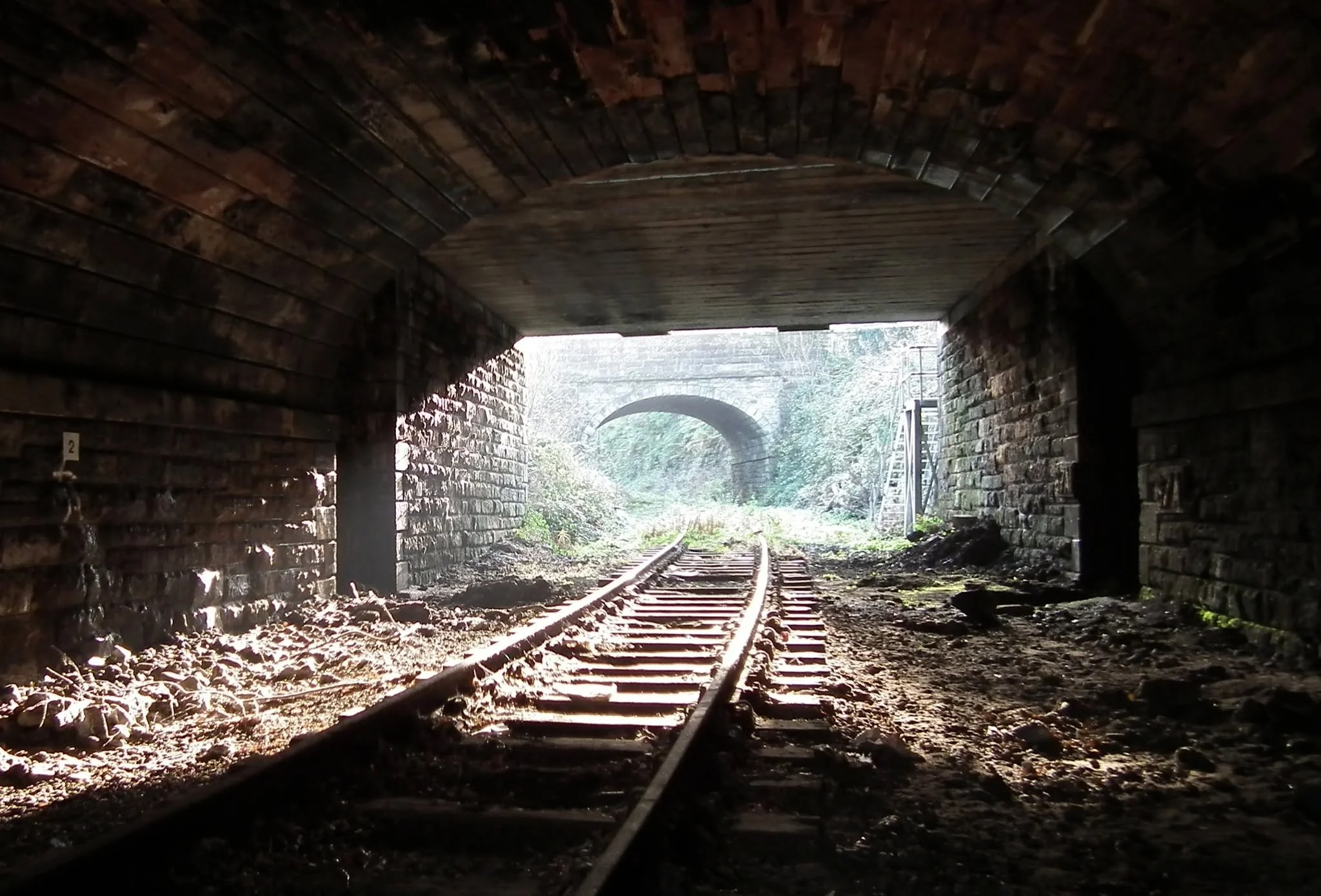
Trafalgar Street Tunnel follows an approximately S-shaped alignment and extends for around 420 yards (384 metres). Its curved alignment allows only limited natural light to penetrate the interior, leaving much of the tunnel in darkness. The tunnel retains sections of its original railway track, including rails and sleepers. Evidence of water ingress is visible in places, reflecting the challenges of drainage and maintenance associated with a disused underground structure of this age. The tunnel's considerable length and curved alignment create distinctive acoustic conditions, with sounds, drips and distant noises amplified or echoed through the enclosed space.
At almost a quarter of a mile long, it represents a substantial surviving element of the railway engineering associated with the former route to Greenock Princes Pier. t the opposite portal, the railway emerges once again into an open cutting, continuing along the former alignment through Greenock.
The Trafalgar Street Tunnel
Trafalgar Street Tunnel follows an approximately S-shaped alignment and extends for around 420 yards (384 metres). Its curved alignment allows only limited natural light to penetrate the interior, leaving much of the tunnel in darkness. The tunnel retains sections of its original railway track, including rails and sleepers. Evidence of water ingress is visible in places, reflecting the challenges of drainage and maintenance associated with a disused underground structure of this age. The tunnel's considerable length and curved alignment create distinctive acoustic conditions, with sounds, drips and distant noises amplified or echoed through the enclosed space.
At almost a quarter of a mile long, it represents a substantial surviving element of the railway engineering associated with the former route to Greenock Princes Pier. t the opposite portal, the railway emerges once again into an open cutting, continuing along the former alignment through Greenock.
Creative Regeneration
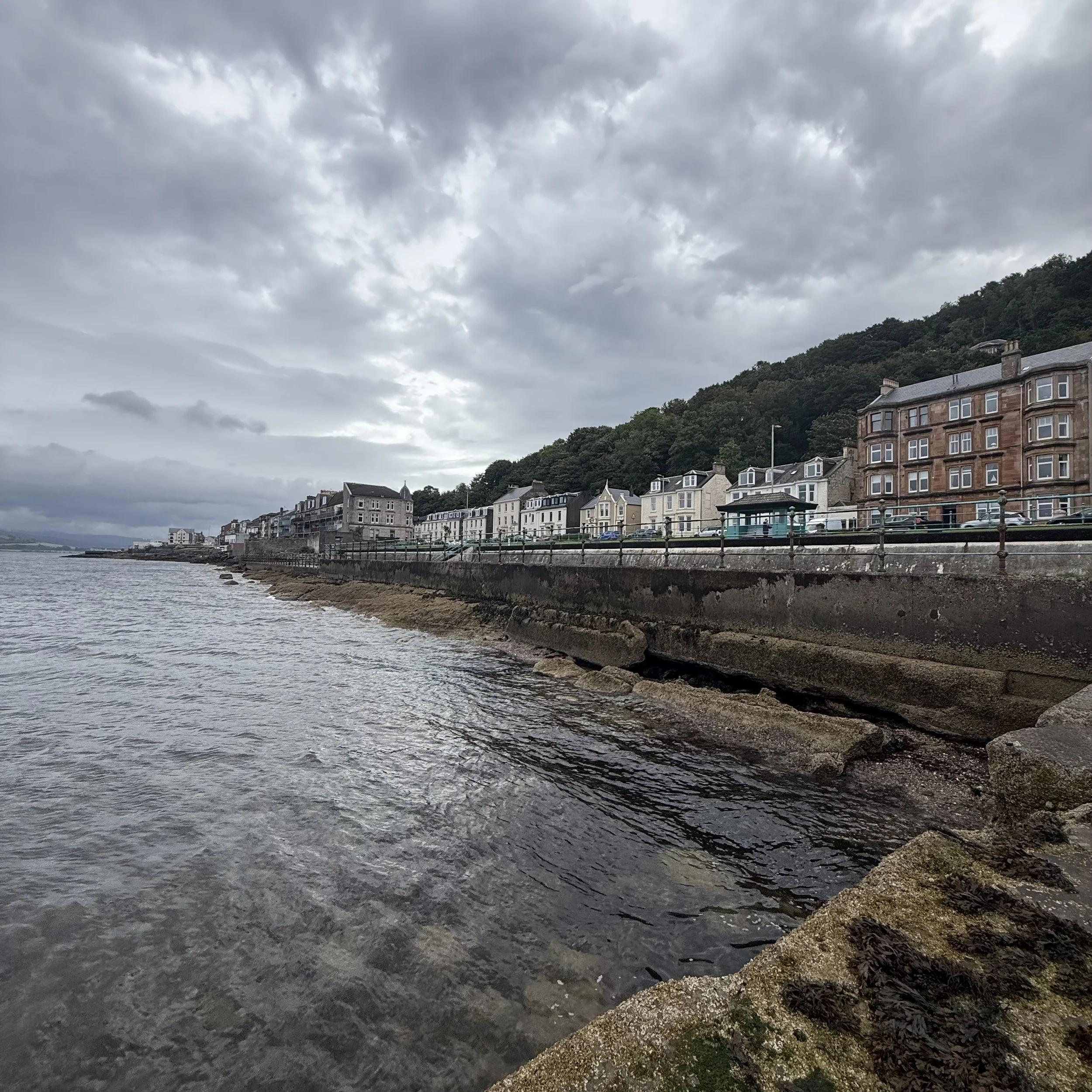
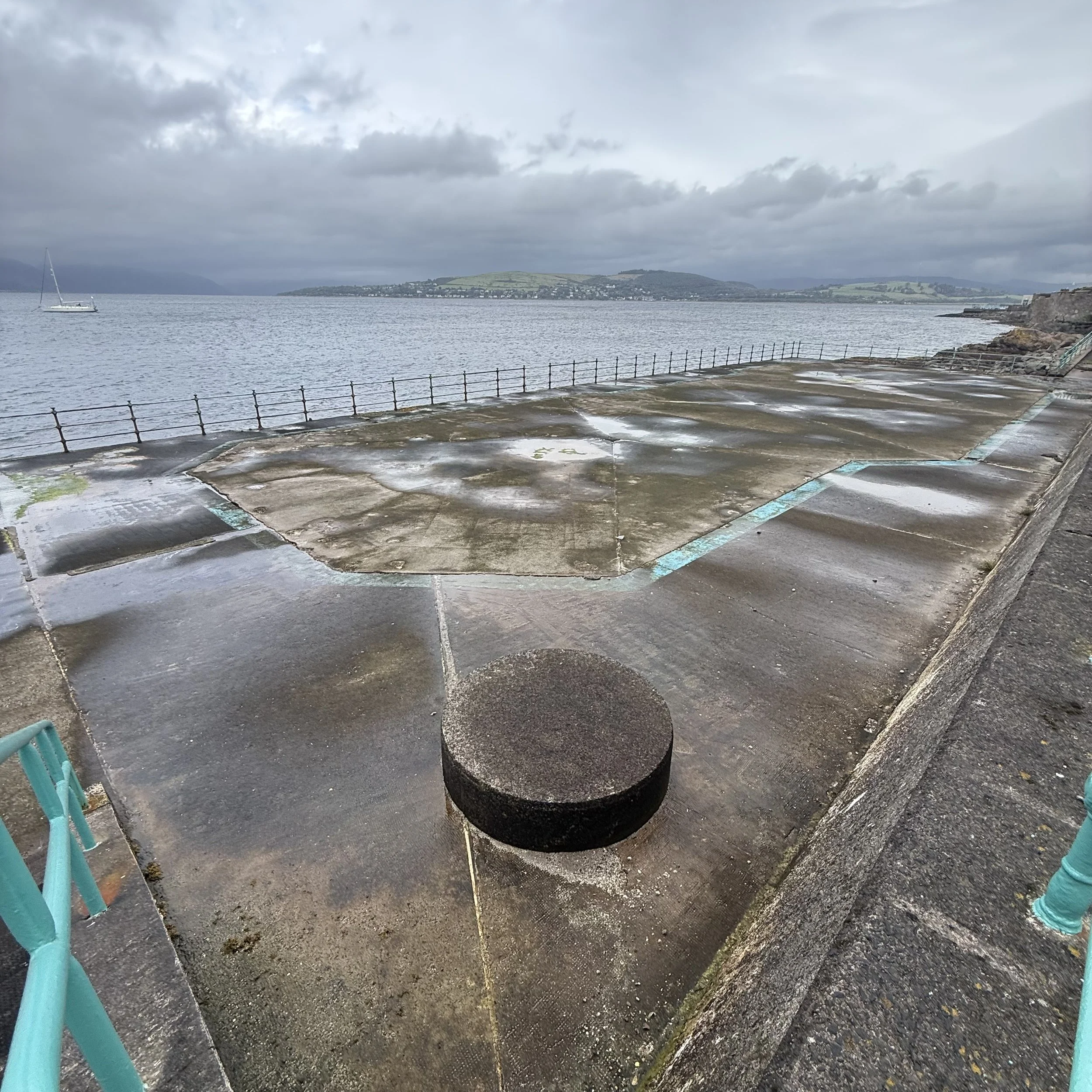
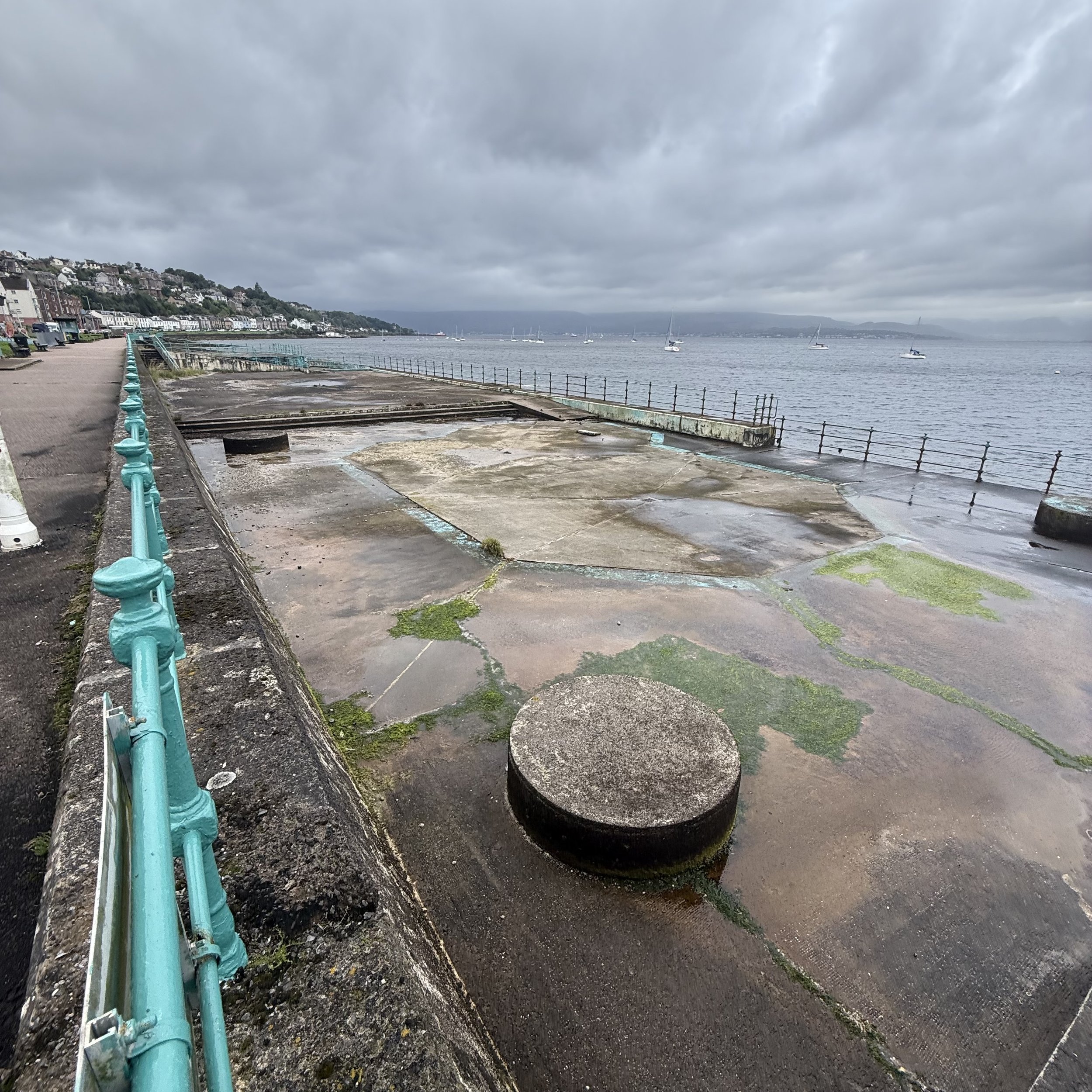
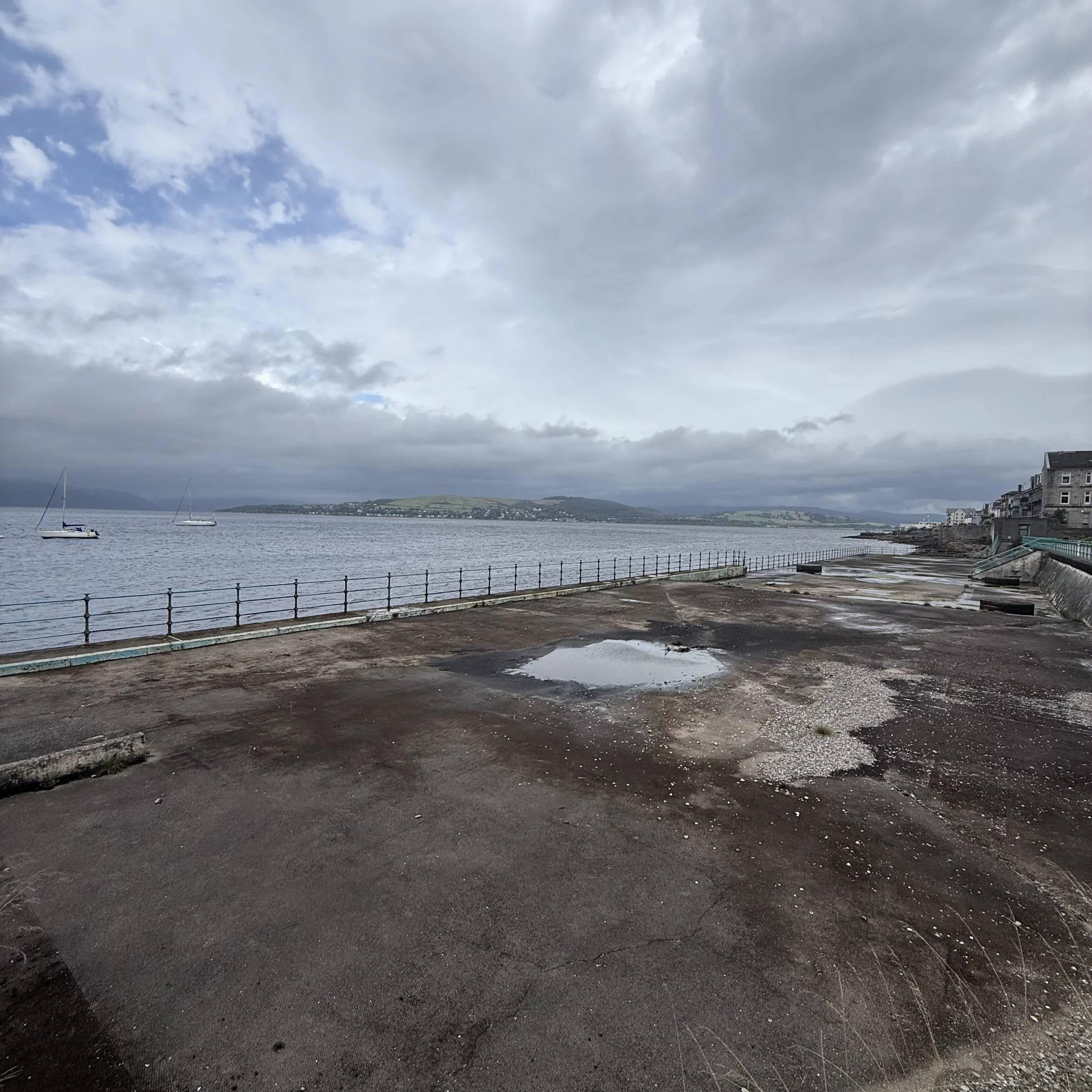
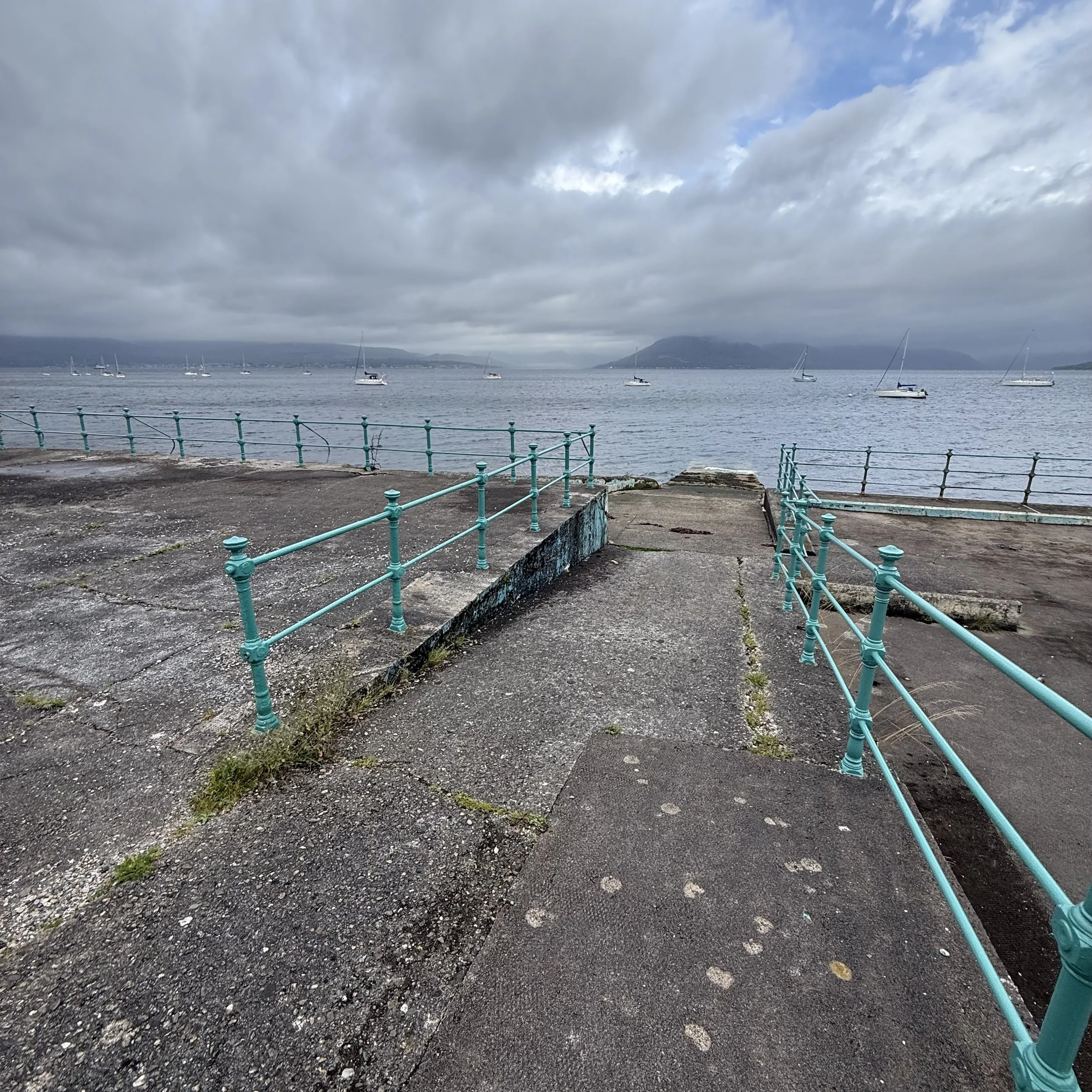
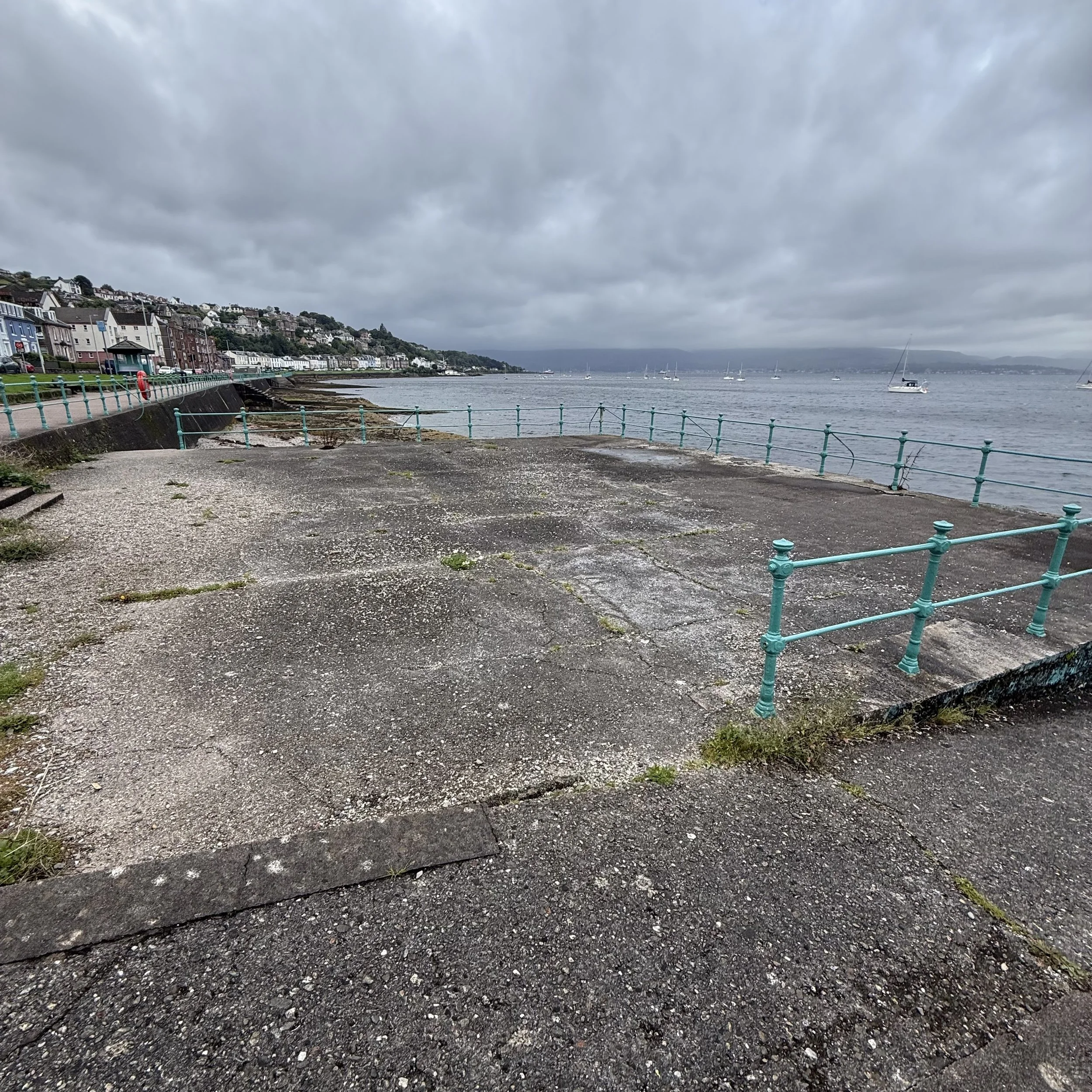
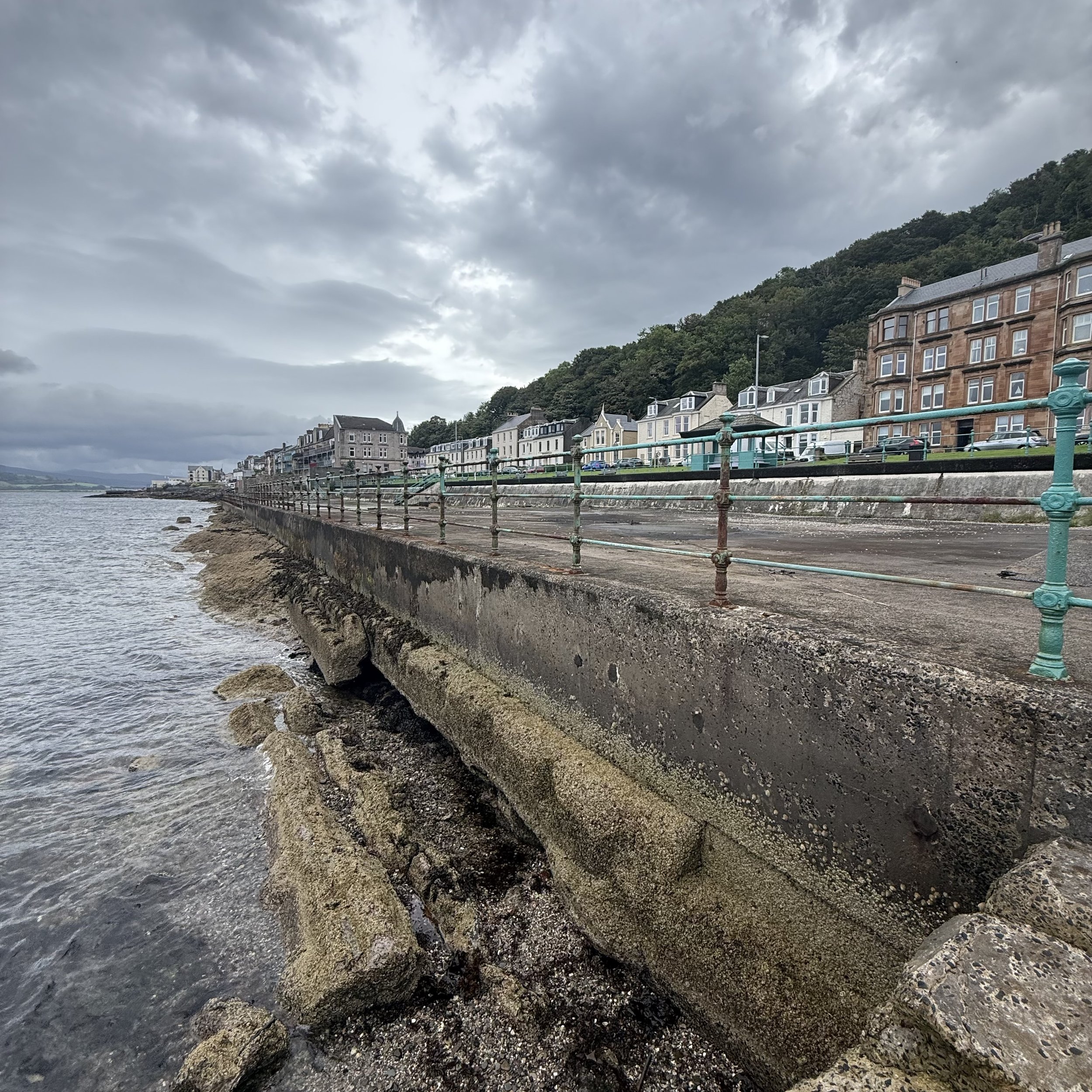
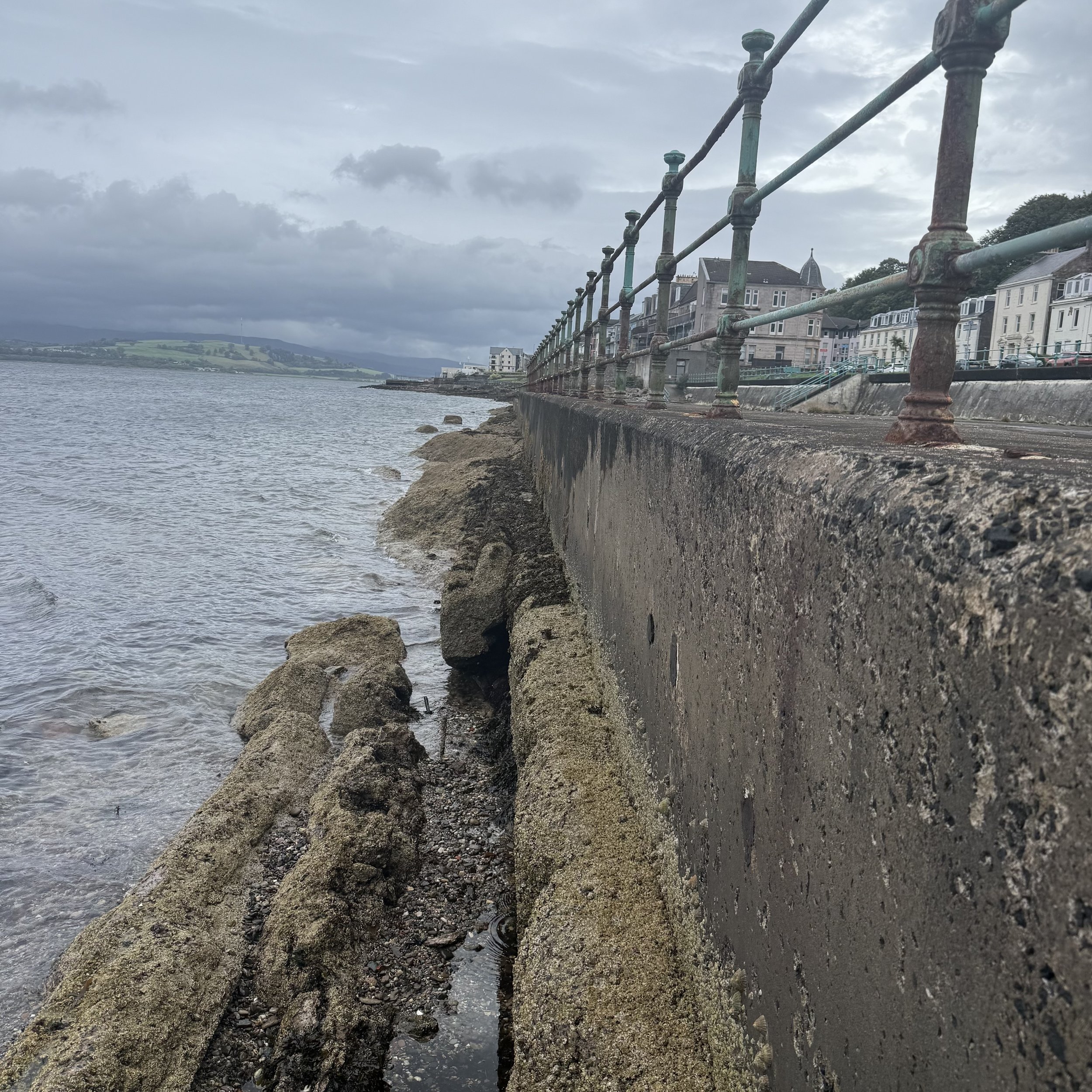
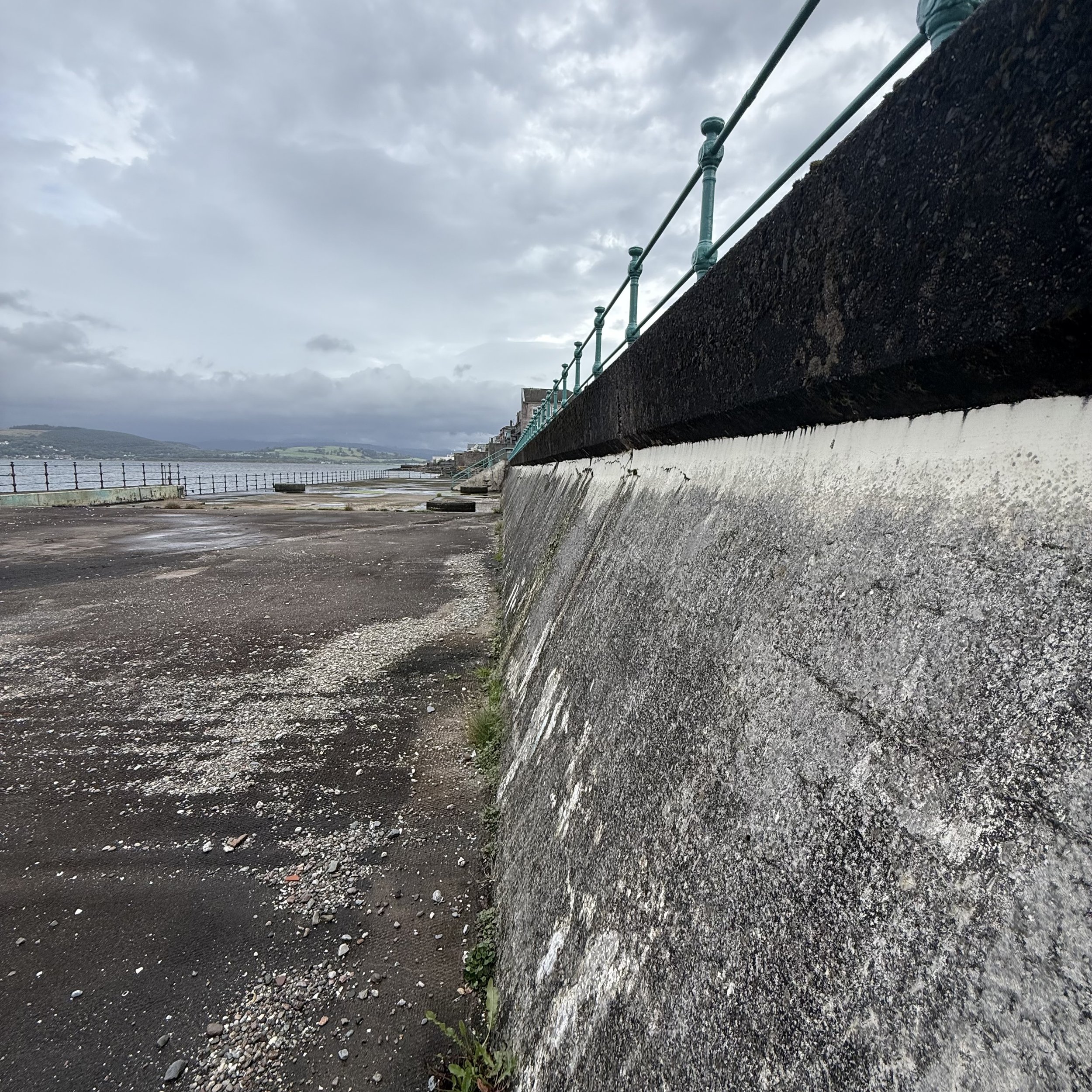
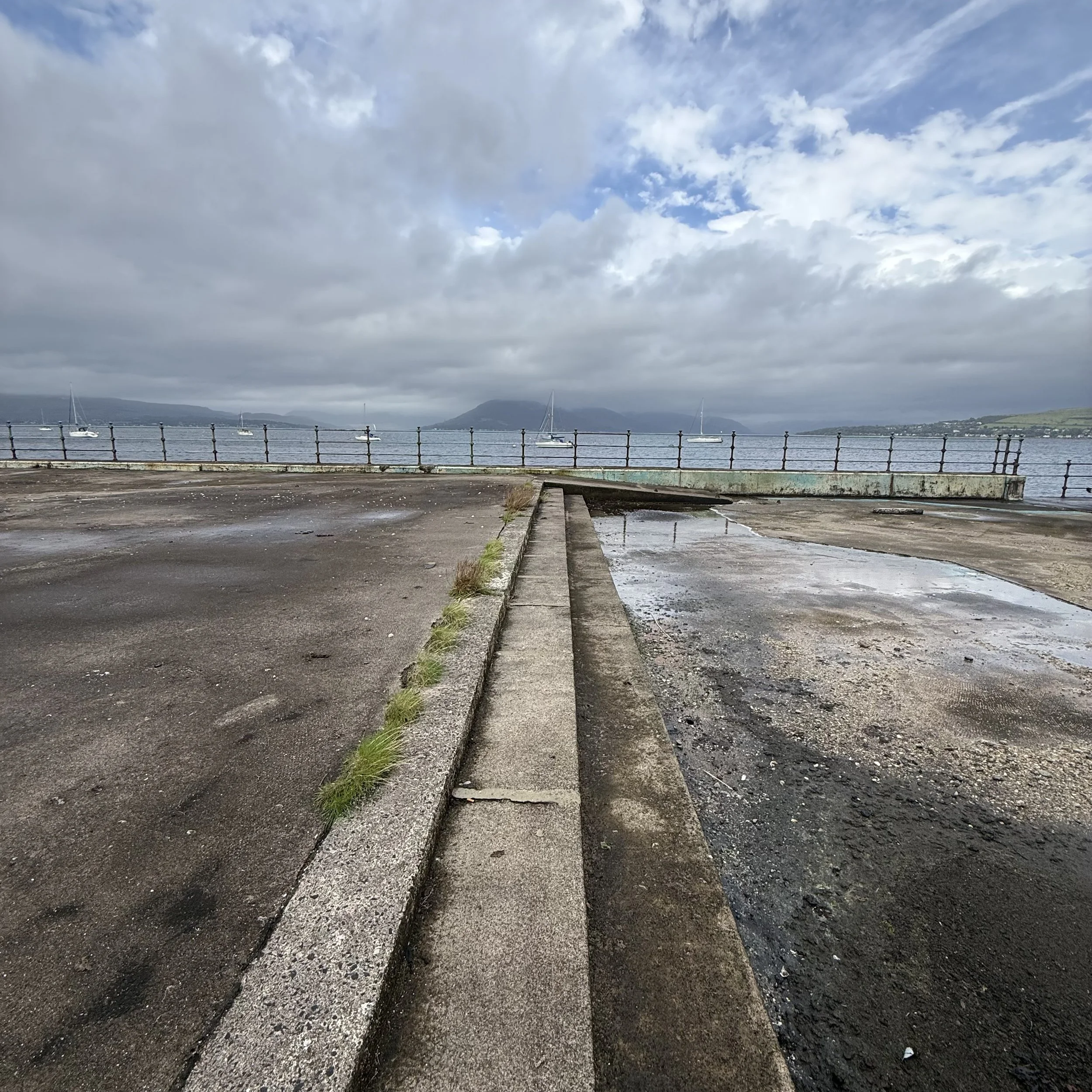
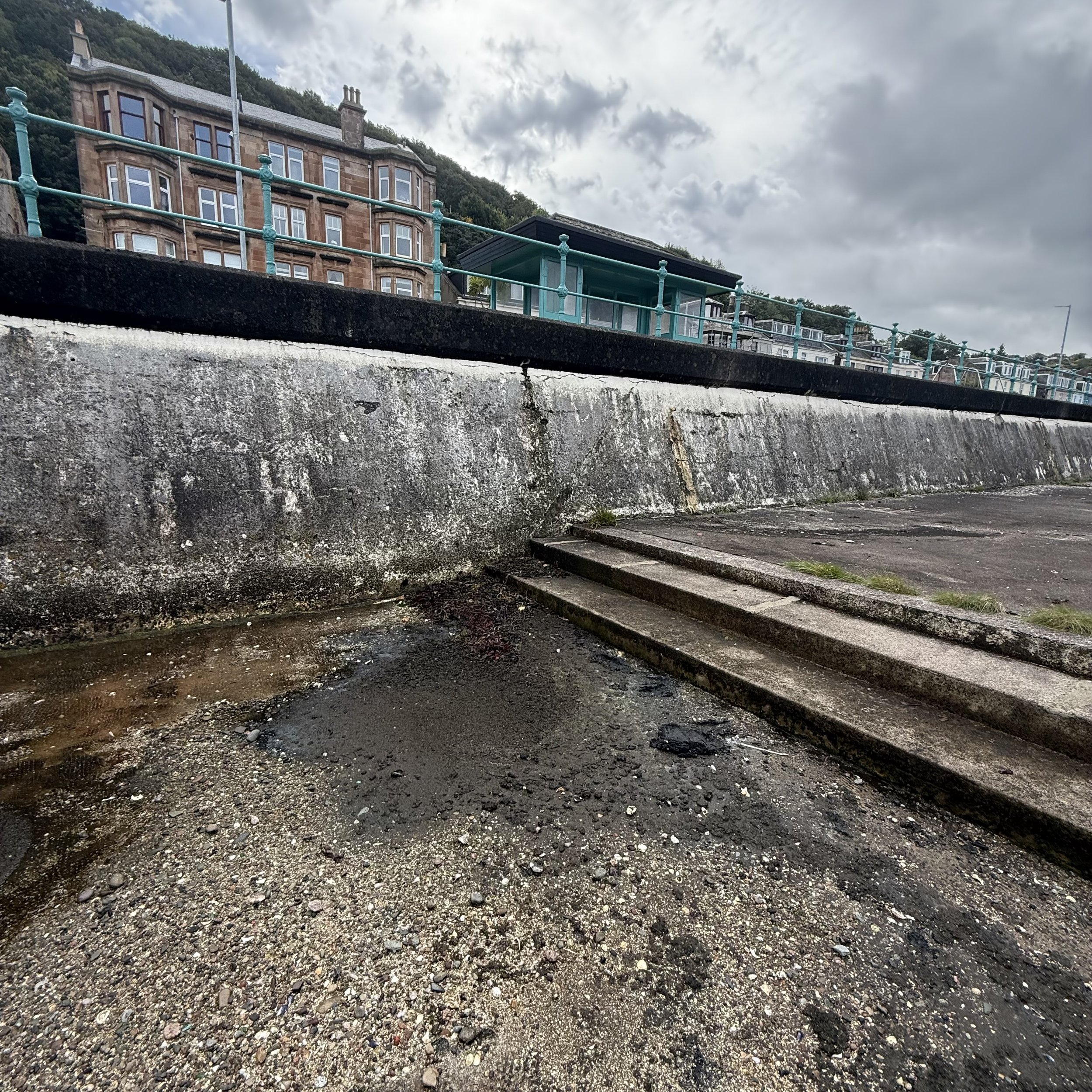
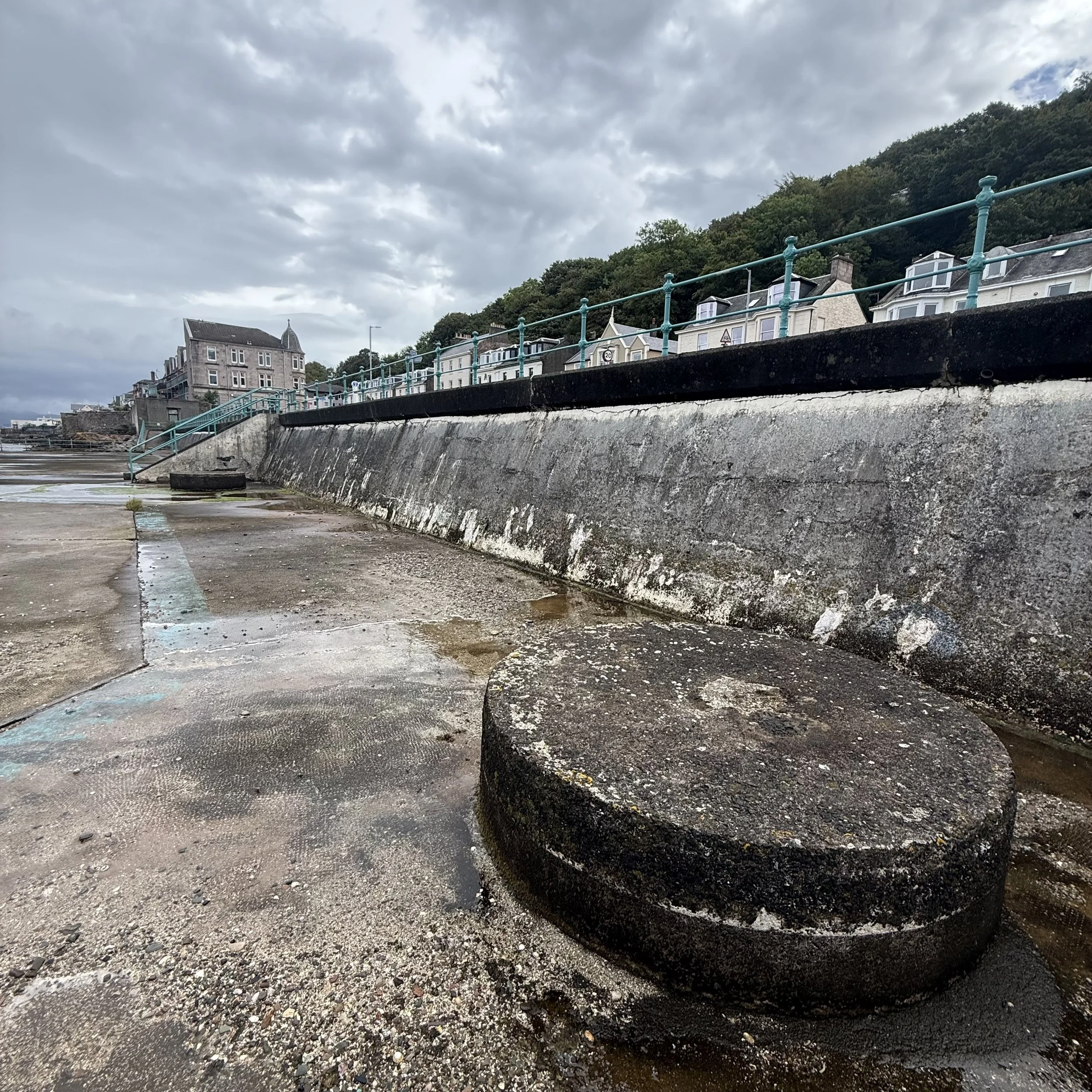
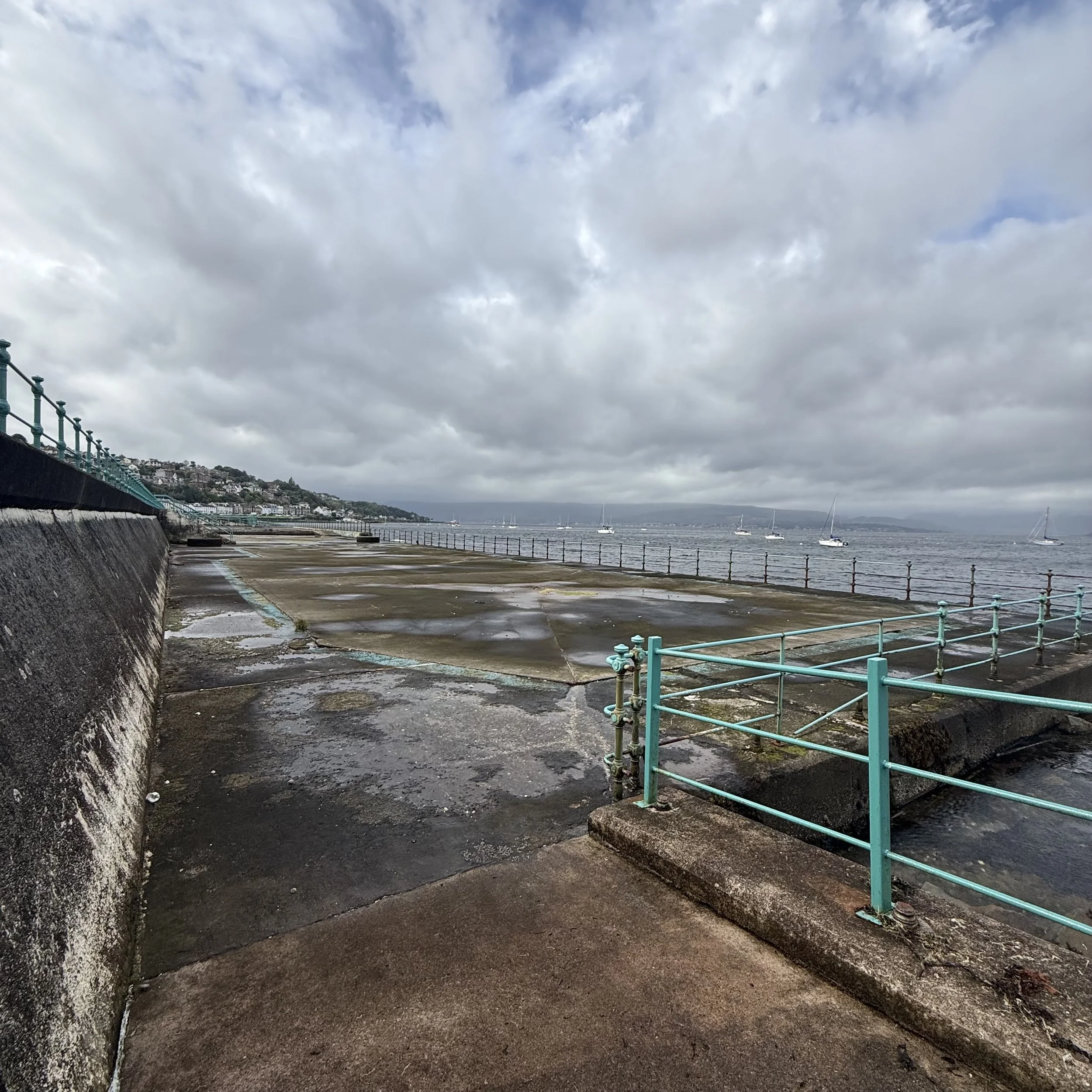
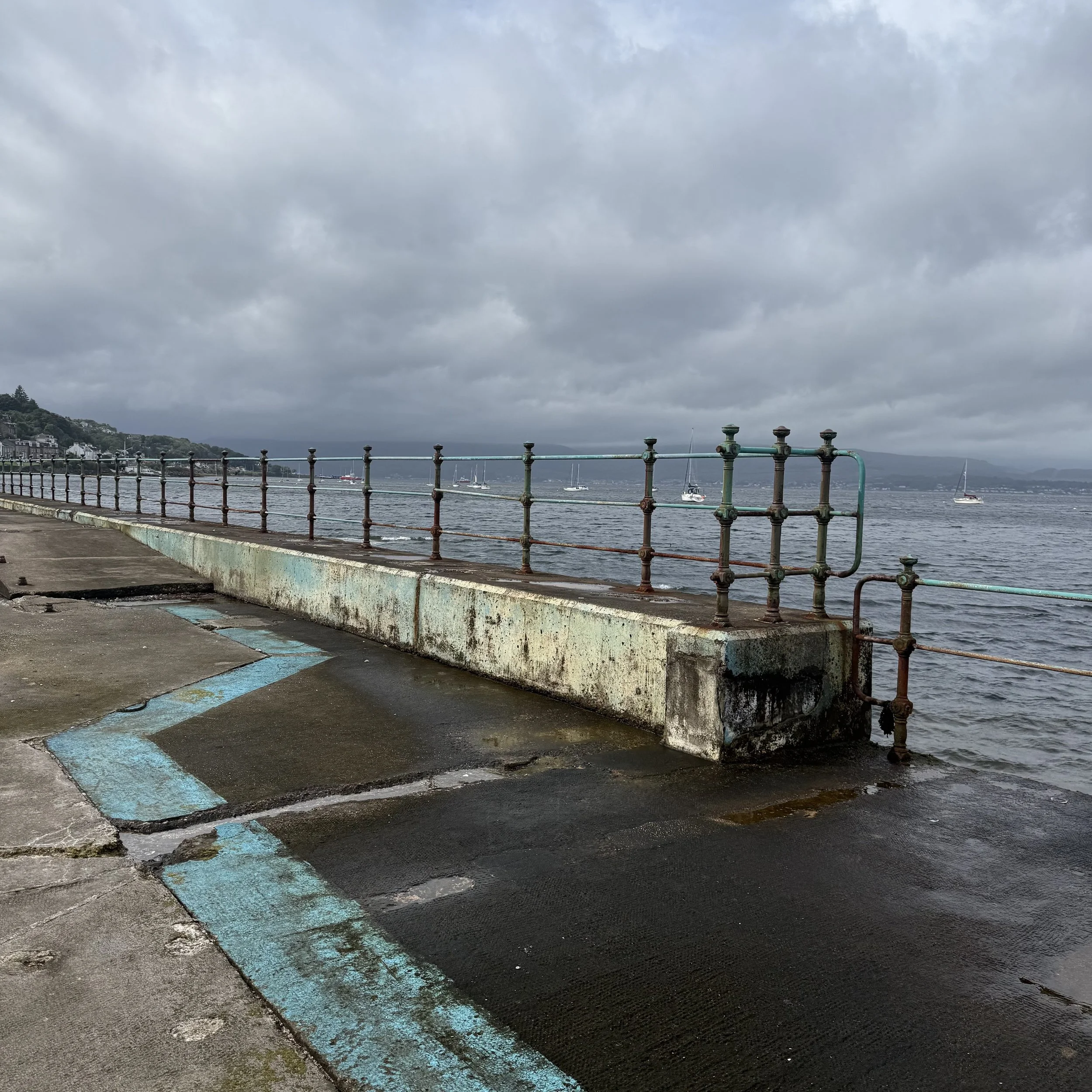
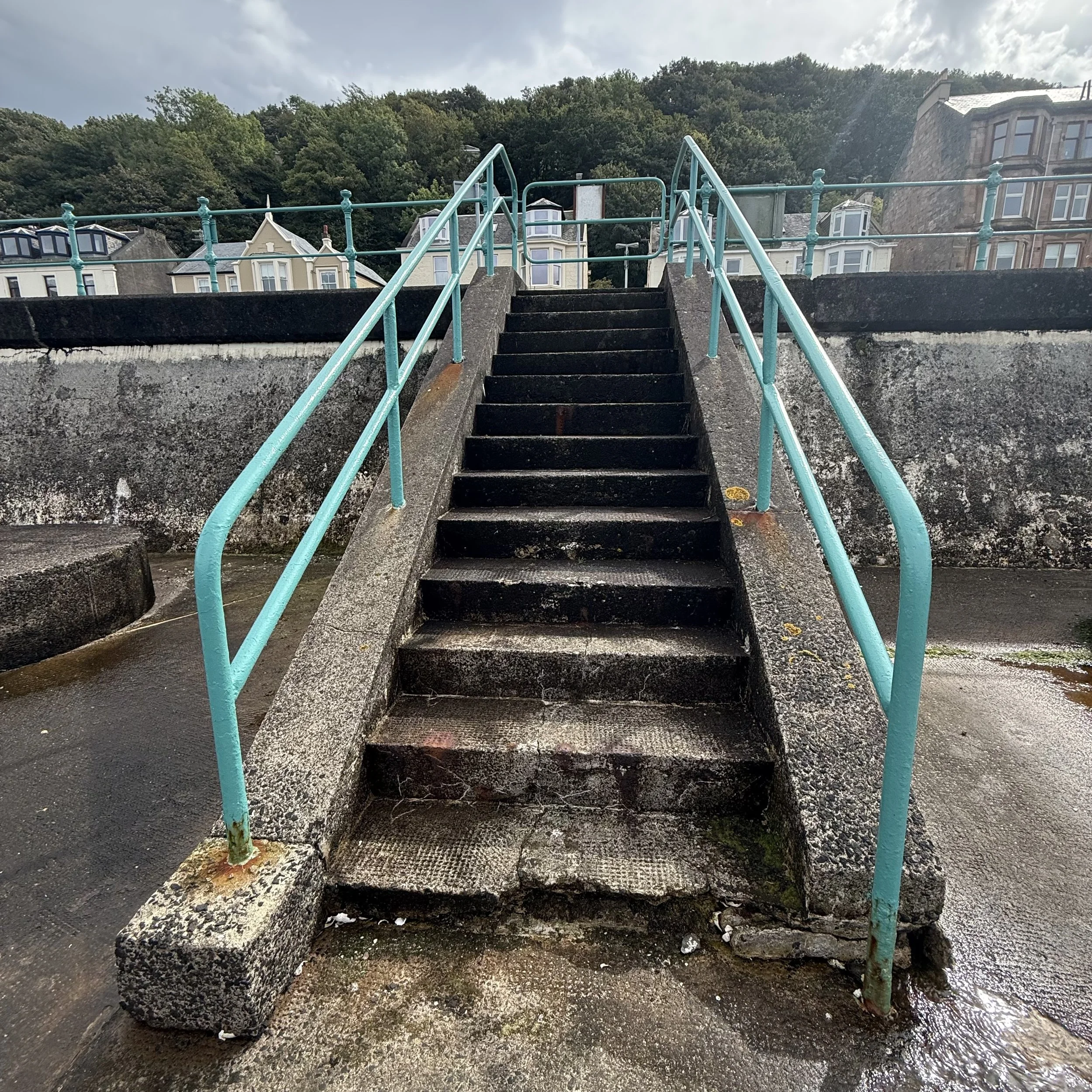
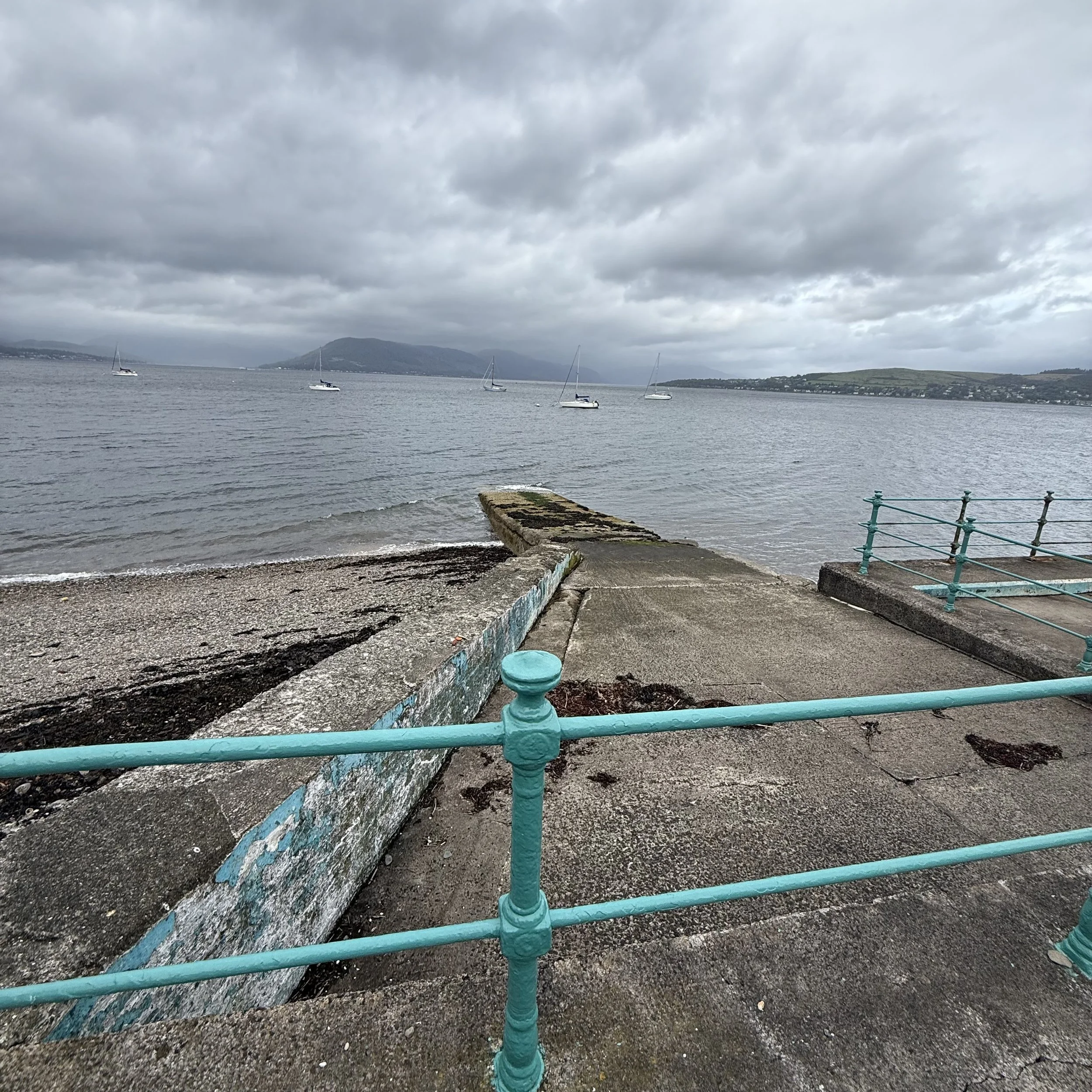
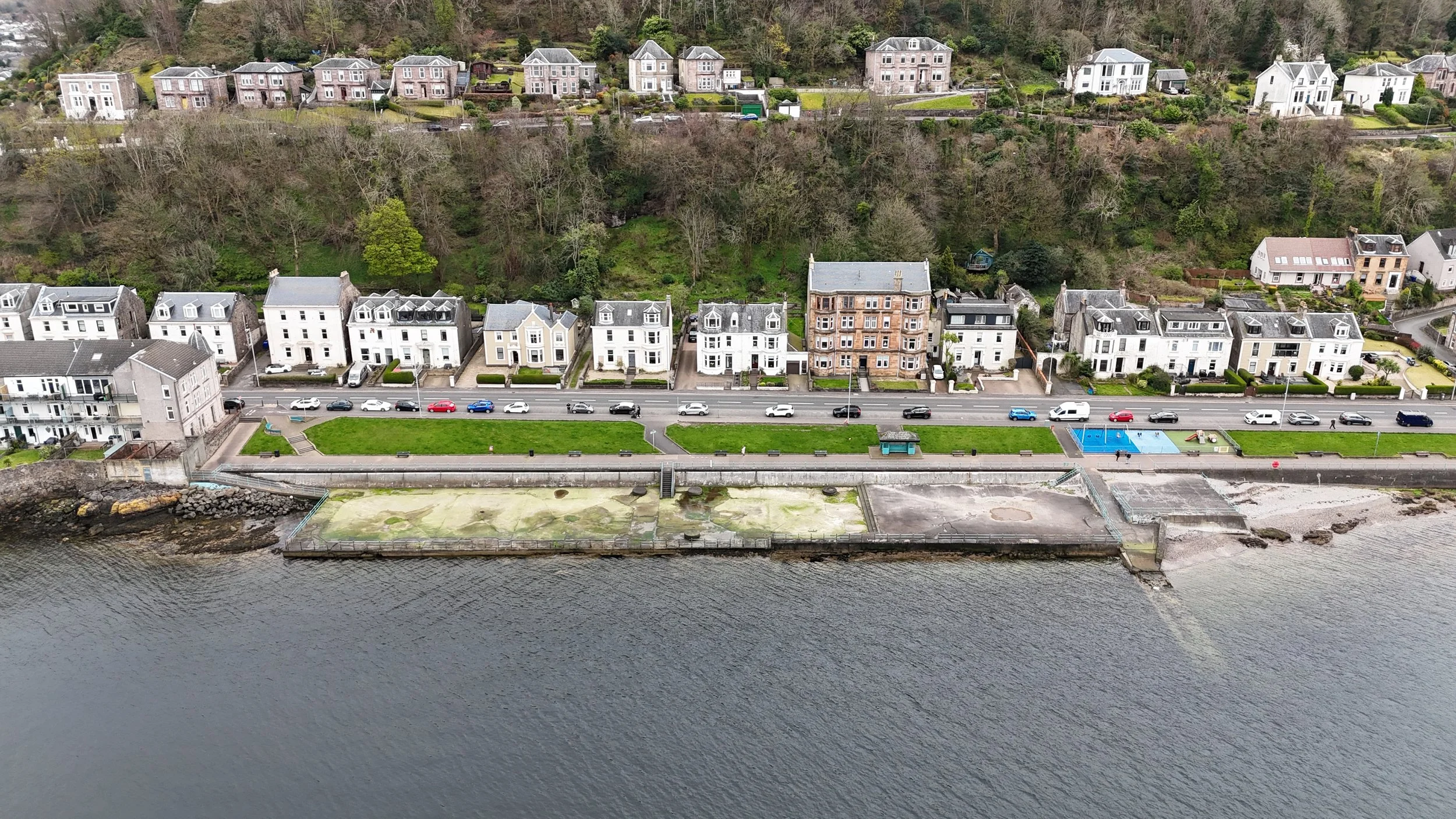
We are working with a local group to look at the feasibility of bringing the paddling pool area back into community use, providing a range of opportunities for locals, visitors and celebrating it’s heritage.
We are seeking to learn from other groups across Scotland including the Friends of the Cellardyke Tidal Pool to The Friends of Tarlair. Both these groups are reviving and regenerating tidal pools through community led regeneration with a broad range of activities.
Our initial work includes researching into the various adaptations and infilling over the years, utilities / structural and topographical surveys and community engagement to help direct potential new uses which might include things such as:
Accessible paddling pools,
Sandpit / Beach / Deckchair area
Murals / Artworks
Performance Area / Band Stand
Shallow water based activities like boating and S T E A M activities (marine engineering)
Improving the esplanade with serviced spaces for food & drink trucks.
Potential Community Cafe / Changing Facilities at the end of the Esplanade
Getting involved
If there is ideas, knowledge, skills & experience you can offer to assist this project, please do get in touch. The local group leading on this project are looking for volunteers to help develop the group and proposals.
We are also keen to hear from anyone that may have photographs or memories of the paddling pools in use that they might be willing to share with us.